
Registration Details
| Event Date | Event Time | Registration Deadline | Registration |
|---|---|---|---|
| May 1, 2026 | 12:00 pm - 1:00 pm | Registration Closed |
Windows are often used as metaphors for how we can better understand each other. Building on this metaphor, this webinar explores how an interdisciplinary approach can be used to support a culture of care. Drawing from View Through a Window from Nature Therapy, the Johari Window from Psychology, and the Window of Tolerance from Neuroscience, participants learn how these frameworks offer ways to enhance self-awareness, deepen interpersonal connection, and integrate trauma-informed approaches into daily work. By opening these “windows,” participants gain views of how to incorporate trauma-informed practices into their self-care and communities of care.
Learning Objectives
- Integrate simple yet effective Nature Therapy-based practices to support grounding and regulation.
- Use the Johari Window to enhance communication and relational awareness.
- Apply the Window of Tolerance to enhance awareness of stress responses and available coping strategies.
This is the second event in the NAFSA Culture of Care Webinar Series
Speakers
| Marcy Hunt, PhDMarcy is the Director of Counseling Services at the Center for Student Health and Counseling (SHAC) at Portland State University. She received her Bachelor’s degree from the College of Wooster and her PhD in Counseling Psychology from the University of Oregon. She is a licensed psychologist with more than 25 years of college/university mental health experience. Since 2010, Marcy has served Portland State University with a mission to center mental health as a vital attribute to student success and a flourishing campus community. She has a passion for developing communities that foster wellbeing and belonging through care and connection. She has promoted a culture of care across campus through her mentoring of students and intentional collaborations with colleagues across all facets of the university. Clinical areas of interest include: anxiety, depression, eating disorders, trauma-informed practices, and mindfulness and compassion-based interventions. |
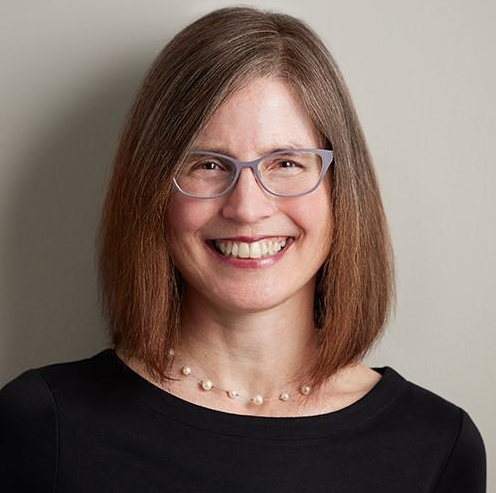
| Nancy E. YoungNancy is an enthusiastic and dedicated NAFSAn, contributing to the field as an advocate, trainer, and author. She has presented over 85 workshops and sessions at NAFSA and other higher-ed associations. NAFSA sessions she has chaired include “Just a Quick Question”, “The SEVIS Song and Dance”, and “Thinking Outside the Book: Intercultural Fiction as a Training Tool”. Nancy currently works with international graduate students in her role as the Student Support and Advocacy Manager at Portland State University’s School of Business. For twenty years, she worked in NYU’s Office for International Students and Scholars, where she was the Associate Director of International Student Services. She also has worked at a small liberal arts college, a community college, and an engineering institute. Her support for international students and the field includes writing the third edition of The Handbook of International Student Advising (with gratitude to Gary Althen), researching “Best Practices to Integrate International and Domestic Students,” and advocacy efforts such as successfully collaborating with SEVP leadership to correct misinformation regarding 9/11 and international students. She has presented and written about sustainability, wellness, and care for international educators and higher ed professionals over the past ten years. Nancy has been leading a community of care initiative in the School of Business since 2024. A perpetual student, Nancy is currently studying Narrative Medicine at Columbia University. She studied Horticultural Therapy at Legacy Health, was a student of the Intercultural Communication Institute where she earned a Master’s in Intercultural Relations, plus earned another master’s focused on Creative Writing. With tri-regional roots (Regions III, X, and I), Nancy’s NAFSA roles include chairing the NAFSA Ad Hoc Tax Committee for the 1040NREZ, serving on the IELKC leadership team, and positions on the Region X and Region I teams. |