
The International Education Handbook, Second Edition
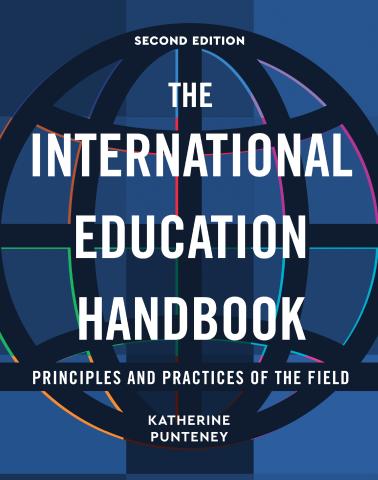
The second edition of The International Education Handbook: Principles and Practices of the Field delivers a wide-ranging and accessible introduction to international education, reflecting the latest developments shaping the field. This refresh features updated facts and figures, revised discussions of key issues, and new perspectives that capture the complexity of today’s global education landscape. Structured across 10 chapters, the volume weaves NAFSA’s International Education Professional Competencies throughout, helping readers build practical skills while grounding their understanding in established frameworks for their profession. Covering key sectors and areas of specialization, it connects foundational concepts with real-world application across diverse institutional settings.
Topics include:
- global competence and intercultural learning
- education abroad and experiential learning models
- international student recruitment, advising, and support services
- internationalization strategy and leadership
- global partnerships and citizen diplomacy
- emerging trends and career pathways in international education
The International Education Handbook serves as both an accessible introduction and a valuable professional reference, helping readers connect theory to practice while preparing for meaningful work in international education settings worldwide.
About the author: Katherine Punteney is a professor and the founder of the Master of Arts in International Education Management Program at the Middlebury Institute of International Studies at Monterey, located in California. Her teaching and research focus is on higher education and K–12 internationalization, intercultural competence, and international student and scholar services. With more than 30 years’ experience as a practitioner, Punteney most enjoys mentoring new professionals as they explore the international education field. Punteney completed her EdD in educational leadership at California State University-Sacramento. Punteney is an active member of NAFSA: Association of International Educators, having served as a Trainer Corps member, Region XII team member, and Teaching, Learning, and Scholarship Knowledge Community Chair.
Table of Contents:
Introduction
Trends in International Education
Global Competence
Internationalization
Education Abroad
Experiential Education
International Enrollment Management
International Student and Scholar Services
International Schools
Citizen Diplomacy
Professional Development
The International Education Handbook, Second Edition
The second edition of The International Education Handbook: Principles and Practices of the Field delivers a wide-ranging and accessible introduction to international education, reflecting the latest developments shaping the field. This refresh features updated facts and figures, revised discussions of key issues, and new perspectives that capture the complexity of today’s global education landscape. Structured across 10 chapters, the volume weaves NAFSA’s International Education Professional Competencies throughout, helping readers build practical skills while grounding their understanding in established frameworks for their profession. Covering key sectors and areas of specialization, it connects foundational concepts with real-world application across diverse institutional settings.
Topics include:
- global competence and intercultural learning
- education abroad and experiential learning models
- international student recruitment, advising, and support services
- internationalization strategy and leadership
- global partnerships and citizen diplomacy
- emerging trends and career pathways in international education
The International Education Handbook serves as both an accessible introduction and a valuable professional reference, helping readers connect theory to practice while preparing for meaningful work in international education settings worldwide.
About the author: Katherine Punteney is a professor and the founder of the Master of Arts in International Education Management Program at the Middlebury Institute of International Studies at Monterey, located in California. Her teaching and research focus is on higher education and K–12 internationalization, intercultural competence, and international student and scholar services. With more than 30 years’ experience as a practitioner, Punteney most enjoys mentoring new professionals as they explore the international education field. Punteney completed her EdD in educational leadership at California State University-Sacramento. Punteney is an active member of NAFSA: Association of International Educators, having served as a Trainer Corps member, Region XII team member, and Teaching, Learning, and Scholarship Knowledge Community Chair.
Table of Contents:
Introduction
Trends in International Education
Global Competence
Internationalization
Education Abroad
Experiential Education
International Enrollment Management
International Student and Scholar Services
International Schools
Citizen Diplomacy
Professional Development
Reviews
“This comprehensive book has long been an essential resource for international educators new to the field and those [wanting] to deepen and expand their practice. This second edition provides a much-needed update on key topics that speak to their relevance in the current political, social, and cultural climate.” —Melissa Whatley, PhD, Assistant Professor of Higher Education, The College of William & Mary
“Punteney's second edition of The International Education Handbook only strengthens from the first edition, which has become a must-have text for the field relevant to everyone from newcomers in international offices, scholar-practitioners, senior international officers, researchers, and [everybody] in between.” —Brian Seilstad, PhD, Director of Internationalization and Partnerships, Office of International Programs, Al Akhawayn University
“As someone deeply invested in international education, I found The International Education Handbook, 2nd Edition to be incredibly resourceful, reflecting current trends and research while providing actionable insights that will enrich international educators' practices and expand their professional competencies. The integration of NAFSA's international education competencies is particularly valuable, bridging the gap between theory and practical application.” —Parinaz Zartoshty, EdD, Assistant Vice Provost and Executive Director, Bechtel International Center, Stanford University
“This handbook grounds our everyday work in the history, frameworks and theories every international education professional should know. If widely read, it would undoubtedly elevate our field, strengthen our practice and deliver lasting benefits for the students, scholars and organizations we serve.” —David L. Di Maria, Vice Provost for Global Engagement, University of Maryland, Baltimore County




Related Products
 Hiring Manager Questions, Second Edition
Based on NAFSA’s International Education Professional Competencies 2.0, this set of sample behavioral interview questions is a helpful tool for
View Product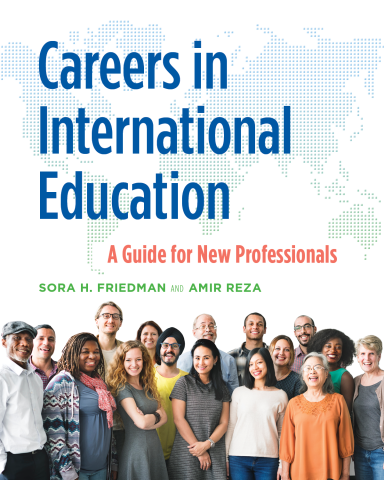 Careers in International Education: A Guide for New Professionals
Careers in International Education: A Guide for New Professionals is a practical guide to planning the first five to seven years of a career in
View Product Senior International Officers: Essential Roles and Responsibilities
Effective leadership for internationalization is necessary for higher education institutions to remain relevant within an increasingly interconnected
View Product