Download the December 2020 Report By Santiago Castiello-Gutiérrez, PhD, and Kelber Tozini, MS Since the United States is the number one destination in the world for international students (Institute of International Education 2019), the expectations are high for the country’s colleges and
The COVID-19 pandemic has affected higher education worldwide. Two NAFSA member leaders, Heidi Fischer, MA (chair-elect for Region VIII) and Melissa Whatley, PhD (Research & Scholarship network leader for the Teaching, Learning, and Scholarship [TLS] Knowledge Community), have coauthored a research
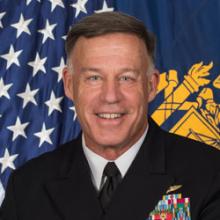
Vice Admiral Sean Buck, MA, superintendent of the United States Naval Academy. Photo courtesy of United States Naval Academy.
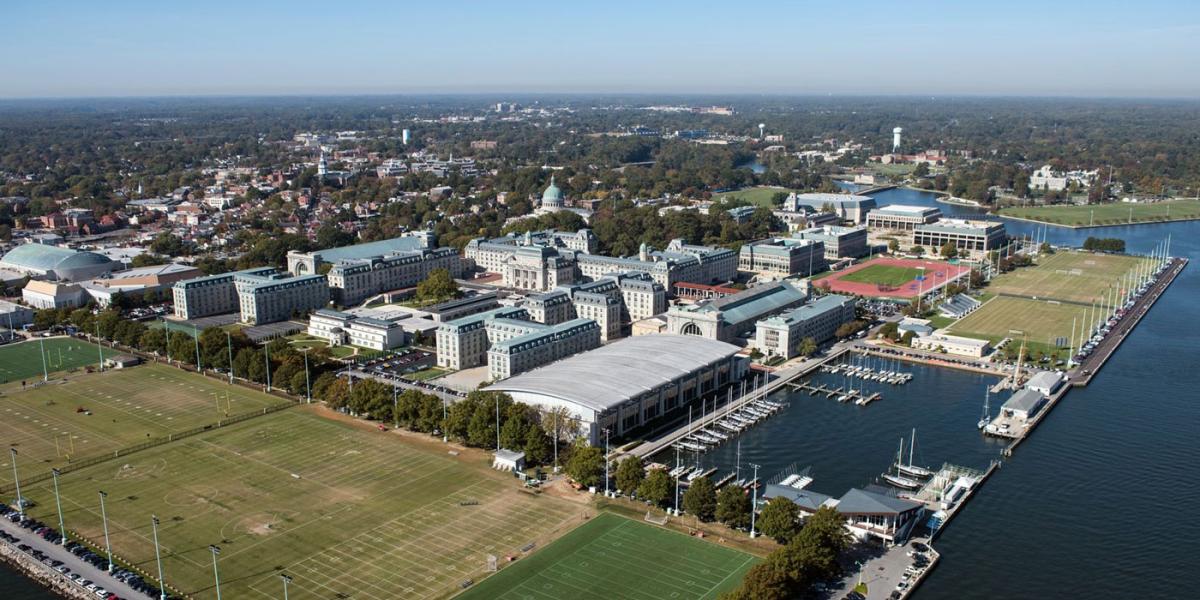
Founded in 1845, the United States Naval Academy (USNA) has a long history of international engagement with allies and partners abroad. Students—known as midshipmen—gain global leadership and intercultural competence through semester-long exchanges, faculty-led programs, language study, and cocurricular activities focused on global issues. Serving 4,500 students at its campus in historic Annapolis, Maryland, the Naval Academy also hosts international officers as part of its faculty and international students from partner militaries around the world.
Before Lieutenant Commander Josh Duran enrolled at USNA in 2005, he had never had any international experience. The summer after his second year of college, he spent 4 weeks on a Japanese ship, where he lived and trained alongside newly commissioned Japanese naval officers. Thirteen years later, he is still in touch with several of the people he met on the ship.
The next summer, he spent 1 month in Kumamoto, Japan, learning more about the language and culture. “I don’t know that I completely understood how important both of those experiences were as a military officer,” Duran says. “I looked at them as fun and educational experiences, but I didn’t really have an understanding yet as to how they would impact me.”
Once midshipmen graduate from the Academy, they are commissioned as officers in the Navy or Marine Corps and sent to various locations around the world to enhance their global learning. Duran did his first tour of duty in South Korea. While he faced the challenge of learning yet another language, his previous opportunities to develop intercultural skills prepared him well. “I had a really good foundation for how to engage with my Korean partners who I needed to work with on a daily basis and also [understood] what sorts of things would be meaningful to do in order to establish lasting relationships with them,” he says.
After spending 8 years working as a naval intelligence officer, Duran was then appointed as an exchange officer at the Republic of Korea Naval Academy, where he teaches a diverse offering of English language courses to South Korean midshipmen. “The foundation for my career was built in Annapolis, and it has just been kind of an inimitable part of my career to date,” he says.
Centralizing International Programs
Since 2005, the International Programs Office (IPO) at USNA has created opportunities for midshipmen to excel in the global leadership and learning required for a career in the Navy or Marines. “They need to be ready from day one to be able to be a leader and work with others [who] have differing points of view,” says Tim Disher, MBA, director of international programs.
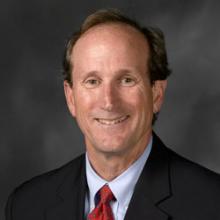
Tim Disher, MBA, director of international programs at the United States Naval Academy. Photo courtesy of United States Naval Academy.
Disher, a former Navy officer, is also the product of the Naval Academy. Over the course of his military career, he served on a submarine during the Cold War and spent 4 years in Spain, where he acted as a liaison between the U.S. and Spanish Navies and advised senior Navy and State Department leadership. Disher’s experience in Spain paved the way for him to become the Naval Academy’s first senior international officer.
After returning to Annapolis in 2003, Disher helped establish the IPO in 2005 at the behest of Superintendent Vice Admiral Rodney Rempt. As the institution’s top leader, Rempt was interested in increasing midshipmen’s global engagement in response to the U.S. Department of Defense’s priorities to improve foreign language proficiency, regional understanding, and cultural appreciation for officers and enlisted personnel, following the tragedies associated with the attack of the USS Cole off the coast of Yemen in 2000 and the September 11, 2001, terrorist attacks. Disher continued as IPO director as a civilian after retiring from the military in 2007. “I knew that future generations of officers...are going to have to be engaged globally,” he says. “And I wanted to be involved with that.”
As of 2020, the office has eight staff members and manages international student services, study abroad, student exchange, and international visits and works with 10 international exchange officers from partner navies around the world.
The interdisciplinary Center for Regional Studies (CRS) was established at the same time as the IPO, with the mission of helping midshipmen understand regional and international dynamics across the world through regional speaker events focused on different geographic areas: Africa, Asia Pacific, Eurasia, Latin America, and the Middle East.
Every year, CRS Director Ernest Tucker, PhD, a professor of Middle Eastern history, coordinates more than 20 international speakers who present to the student body. Altogether, these lectures reach thousands of students. Speakers include diplomats, scholars, musicians, poets, journalists, and representatives of foreign navies. The speaker events do not have an academic component, but many professors weave the presentation topics into their courses. “Talking across disciplines is a key responsibility of CRS,” Tucker says.
Building On A Legacy of Internationalization
Current Superintendent Vice Admiral Sean Buck, MA, says that he has been able to build on the robust international portfolio inherited from his predecessors, who rotate approximately every 4 years. He has helped make the case for internationalization based on his own recent experience as commander of all U.S. Naval forces that operate in the Caribbean, Central America, and South America.
Buck says exposure to diverse perspectives is even more important for midshipmen at the beginning of their military careers. “As we try to navigate them through their four-year journey here at the Naval Academy, we’ve come to realize that giving them exposure to other cultures is absolutely paramount so that they can make an impact from day one as leaders,” he says.
Beyond the cocurricular opportunities offered through the CRS and various summer and semester study abroad programs, midshipmen have opportunities for intercultural learning due to the presence of international students and faculty on campus. At any one time, around 60 international students are completing their four-year education at USNA, in addition to 25 semester exchange students from foreign naval academies.
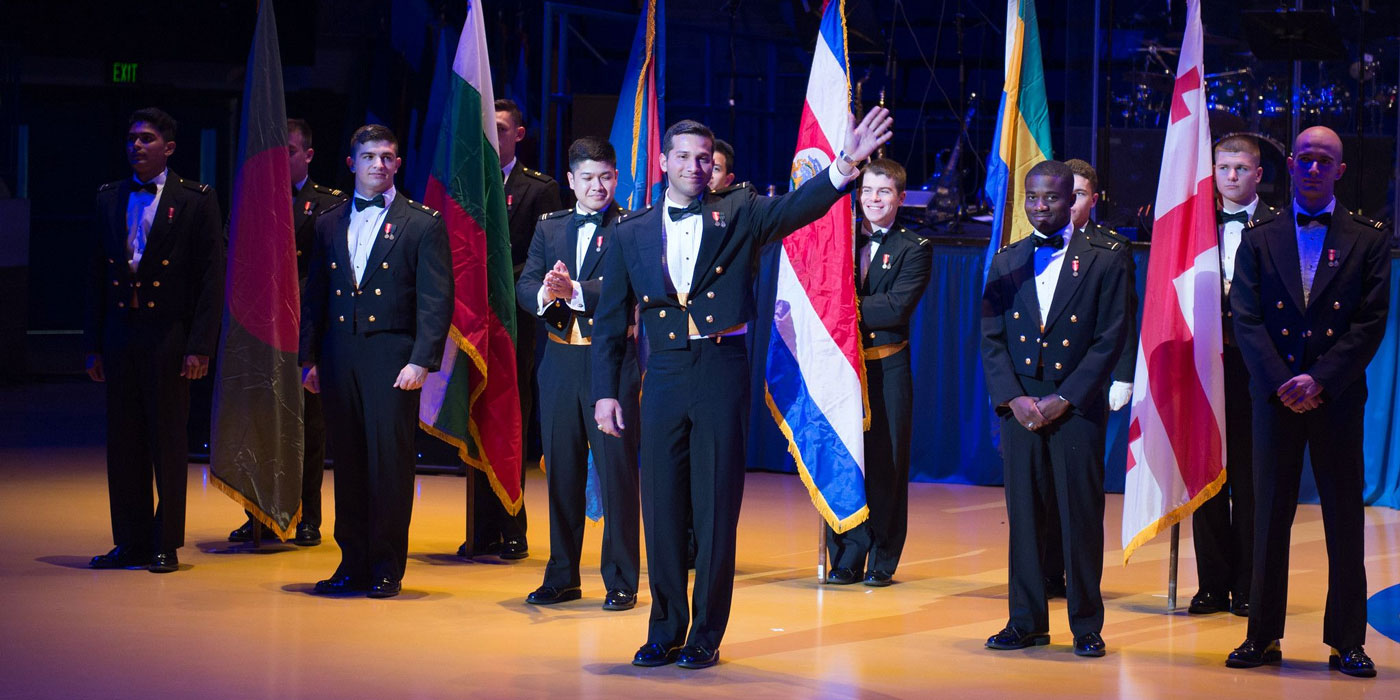
To celebrate the international diversity of the faculty and midshipmen, USNA holds an International Ball every year. The superintendent hosts the event, which is attended by more than 2,800 people annually. It includes dances and events by the various cultural clubs as well as engagement with senior international officers and representatives from the Washington, D.C., embassies. The International Ball would have celebrated its 54th anniversary in 2020 if it had not been canceled amid the COVID-19 pandemic.
Image
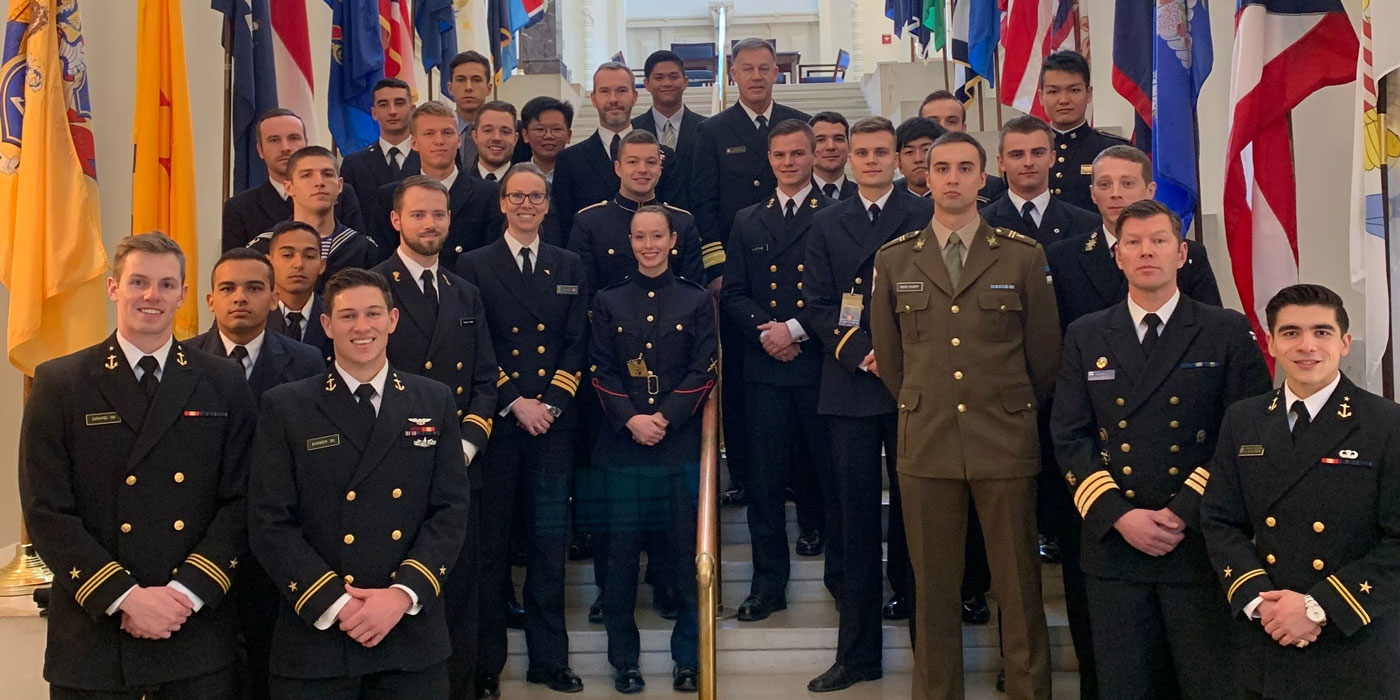
Superintendent Vice Admiral Sean Buck, MA, with international midshipmen at the annual Naval Academy Leadership Conference. Photo courtesy of United States Naval Academy.
Finally, midshipmen gain exposure to global topics through core courses that focus on regions such as Asia or the Middle East, and many electives and major program curricula also have global learning content. In addition to majoring in Arabic and Chinese, students can pursue minors in Arabic, Chinese, French, German, Japanese, Russian, and Spanish. The institution is also in the process of establishing a first-of-its-kind regional studies major for the class of 2024.
Expanding Opportunity Through Education Abroad
Academic Dean and Provost Andrew Phillips, PhD, has been at the Academy for more than 20 years. Although USNA had always promoted international engagement, it was not until the creation of the IPO that education abroad became readily accessible for a large number of students, he says.
One of the obstacles to education abroad at USNA is that the federal law governing service academies specifies that students can only participate in such programs if they will still be able to graduate within 4 years. Phillips says that when he first became provost in 2009, faculty were reluctant to engage with internationalization. “There were some early adopters, but there were a lot of people saying it was too hard, until we showed people what could be done,” he says.
To help address the challenge, the Naval Academy has developed a robust portfolio of faculty-led summer programs as well as exchange opportunities with civilian and military institutions around the world. Now, all 25 majors offered at the Naval Academy boast at least one semester-length education abroad opportunity. Approximately 25 percent of each graduating class studies abroad. According to Disher, the goal is to eventually send 500 midshipmen abroad per year, which would be around 50 percent per class.
Training Leaders Through Experiential Learning
One of the reasons that Jake Lindow, a cyber operations major who graduated in May 2020, chose the Naval Academy was because of its education abroad programs. He wanted to attend a military academy but did not want to give up the experiential learning opportunities offered at civilian institutions. He spent the fall semester of his junior year at the German Naval Academy in Flensburg and the Bundeswehr University in Munich. “A common misconception is the Academy is just a military school where you march around in circles all day,” Lindow says. “That’s very much not the case, and I think the study abroad program is a testament to that.”
Opportunities for education abroad at USNA include semester-long exchanges at naval academies abroad and at civilian institutions for science, technology, engineering, and math (STEM) majors. But the primary vehicles for education abroad are the approximately 50 faculty-led opportunities known as Language, Regional Expertise and Culture (LREC) programs.
Most LREC programs are run in the summer by faculty members who lead small groups of four to six students abroad. Joseph Thomas, PhD, director of USNA’s Stockdale Center for Ethical Leadership, has taken students to several places around the world, including Mongolia, Peru, South Africa, and, most recently, northern India.
Image
Members of the India Trekking LREC pose on a footbridge across glacial meltwater in the Himalayan range of Zanskar. Photo courtesy of United States Naval Academy.
“I try to create a learning environment during both the planning and execution phases where students are required to take calculated risks,” he says. “When those risks result in failure, we scrupulously debrief the event and examine what could have been done better.”
In summer 2019, Colonel Maria Pallotta, PhD, director of the Center for Experiential Leadership Development, took a group of eight students to Vietnam for 16 days to study battlefields from the Vietnam War and experience other cultural immersion opportunities. The group visited the demilitarized zone, which divided North and South Vietnam until the war ended in 1975, as well as Hanoi and the Mekong Delta.
Justin Nguyen, who graduated in May 2020 as a quantitative economics major, had both a professional and personal interest in traveling to Vietnam, as his parents were refugees to the United States after the Vietnam War. He was also able to use some of his basic Vietnamese language skills to help the group get around. “I thought this was a really unique opportunity for me to learn about my family history from a different lens,” he says.
History major Elizabeth Fugit says the program to Vietnam helped her understand both sides of military conflicts. “The literature we consume here in America is very much from the American perspective,” she says. “We got to see [the Vietnamese] perspective and their museums and how they saw the conflict.”
Internationalizing STEM Through Language Learning
Internationalization was particularly challenging for the STEM disciplines, in which 65 percent of each graduating class of midshipmen must be enrolled. It was difficult to fit either education abroad or foreign language study into already jam-packed STEM schedules, which are “particularly lockstep in nature,” according to Phillips. The creation of summer immersion programs in Arabic, French, and Spanish was one way students in these disciplines have been able to fit both education abroad and language study into their schedule.
Arabic professor Hezi Brosh, PhD, takes 15 STEM majors to Israel every summer to study Arabic. Students complete 2 weeks of intensive language study in Annapolis before they travel to Israel for 1 month to take part in cultural excursions and study Arabic at the University of Haifa.
Fourth-year student Dallas Elliston first studied Arabic with Brosh in 2019. He had wanted to take a foreign language but was not sure if he would be able to work it into his mechanical engineering schedule.
He says knowing another language will be beneficial for his military career, but being able to understand multiple perspectives through deeper-level intercultural learning—such as various perspectives on the conflict between Israel and Palestine—is even more valuable.
“We have to be there and learn the culture,” Elliston says. “One of the biggest things I gained [was] learning what I see from a Western viewpoint isn’t enough to be able to jump in and give my opinion on how things should be done.”
Efforts to internationalize the sciences at USNA since 2013 have been so successful that a higher percentage of STEM majors than humanities and social science majors now study abroad. Many STEM students who participate in these programs find ways to fit in additional language study once they return to Annapolis.
Building Global Connections in Cybersecurity
The Naval Academy also has one of the first accredited cybersecurity programs in the United States. Captain Paul Tortora, director of the Center for Cyber Security Studies, says that his discipline is particularly conducive to international engagement. He started looking at options for international education opportunities in Estonia, which has become a major cyber defense hub after it faced one of the world’s first major cyberattacks in 2007.
In 2014, Tortora started taking students to Estonia to attend an annual cybersecurity conference, where they have the opportunity to engage with NATO officials and representatives of governments and militaries from around the world. “They can see the importance of cybersecurity from an international perspective,” he says.
The center has subsequently expanded education abroad and global learning opportunities for cybersecurity majors to other countries around the world, including Australia, Germany, Japan, and the United Kingdom.
Cyber operations major Dylan Larkin traveled to Estonia, Germany, and Poland with Tortora. One of the highlights for him was the week he spent in Tallinn, Estonia, attending the international cyber conference. He says he learned how different countries can collaborate and build partnerships in a constantly changing field. “The program itself really opened a lot of doors for me, just being able to network across the globe,” he says.
Learning Language and Culture Abroad
The Academy currently has reciprocal agreements for semester exchange programs with naval academies in 11 countries: Canada, Chile, France, Germany, Israel, Italy, Japan, Portugal, Singapore, South Korea, and Spain. The Academy sends and receives an average of 25 semester exchange students per year. Since 2006, 280 international military students have spent a semester in Annapolis, and the same number of midshipmen have studied at partner institutions abroad.
These engagements often include international students getting underway on a training ship and serving with their counterparts prior to the academic semester. In addition to the academic experience, the benefits of a semester at a reciprocal naval academy include a better understanding of professional and leadership development of an ally navy with which graduates will serve. These relationships add to the underpinnings of trust that enable the navies to be successful around the globe.
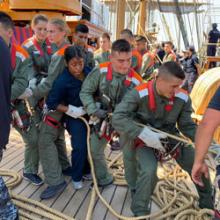
Lara Malaver working with midshipmen from the Italian Naval Academy aboard the Italian Naval Academy training vessel, the Tall Ship Vespucci. Photo courtesy of United States Naval Academy.
Cyber operations major Lara Malaver was studying at the Italian Naval Academy in Livorno when she was recalled to the United States as COVID-19 broke out in Italy. She began her experience abroad with 2 weeks on the Italian Navy Tall Ship Amerigo Vespucci, where she joined Italian naval students who were learning how to sail, before flying to Livorno.
In addition to gaining more fluency in Italian, Malaver says that her experience in Italy taught her adaptability. “Every day that I was there, there was a different challenge,” she says. “And I know that that’s very much like being an officer in the military.”
Gilad, an exchange student from Israel, faced a similar circumstance of being called home from Annapolis halfway through the semester due to COVID-19. Despite the shortened exchange experience, Gilad says that one of the benefits of studying at the Naval Academy was the opportunity to meet international midshipmen from around the world. “The USNA is like a melting pot of the world navies in one place,” he says.
He adds that he was also able to partake in different experiences than those that would be available at his institution in Israel. “American midshipmen spend their time investing in civilian spheres that we don’t really get to engage with,” he says.
Through the IPO, global learning opportunities have also expanded to include partnerships with civilian institutions abroad. Study abroad was not previously available for students studying Arabic, Chinese, or Russian because partnerships with naval institutions in the corresponding countries do not exist.
To close gaps in exchange programs where naval partnerships have not been established, midshipmen can spend a semester at a civilian institution abroad where they take their major courses in English and at least one intensive course in the local language. USNA now offers programs in 16 countries.
Juliet O’Brien, who graduated in May 2020 as a political science major, studied abroad at a civilian institution in Morocco in fall 2018. She gained firsthand experience with the Moroccan medical system when she had to have emergency surgery to remove her appendix. While she was frustrated at first, “it was actually one of the most interesting things to happen while I was there because I learned a lot about Moroccan hospitality…[and] some words about health insurance in French and Arabic, which I never expected to learn.”
Welcoming International Midshipmen
Since 1863, 544 international midshipmen from 74 countries have graduated from USNA. During the 2019–20 academic year, there were 59 international students from 30 countries on campus who studied alongside their U.S. peers.
Image
Four-year international midshipmen at the Naval Academy’s annual International Ball. Photo courtesy of United States Naval Academy.
International students are fully integrated into the student body. Students are divided into different companies, mirroring the Navy’s command structure, and international students are intentionally divided among all the companies.
Many attachés and other embassy officials travel to Annapolis to celebrate the graduation of the international midshipmen. Phillips has made it a personal point of pride to learn how to pronounce the names of international midshipmen in order to give them special recognition during the ceremony. “So before we give the diplomas, one by one, I announce their names and have them stand to the applause of the stadium,” he says.
This year, graduation was held virtually due to COVID-19. Cyber operations major Nikoleta Georgieva, the first woman from Bulgaria to study at USNA, celebrated her graduation at the virtual commencement. Georgieva will be returning to complete her military education in Bulgaria. “I’ve met so many people from different backgrounds in the United States, as well as [people from] different countries, and I’ve met so many different military people with different military leadership styles,” she says. “That really helped me to just be more open-minded and more grounded.”
Hosting International Exchange Officers as Faculty
Midshipmen who do not have the opportunity to participate in education abroad can still expand their global learning by interacting with international exchange officers from around the world. The Naval Academy hosts 10 international officers from nine countries who are members of the faculty as part of the U.S. Navy’s Personnel Exchange Program. Duran, for instance, serves as the U.S. exchange officer to the Republic of Korea Navy.
The first exchange officer came through a partnership with Mexico in 1960, followed by officers from France, Germany, Brazil, the United Kingdom, Japan, Italy, South Korea, and Spain. Many exchange officers teach their native languages, but some instruct in other disciplines.
Commander Giovanni Neri, an exchange officer from Italy, teaches seamanship and navigation. He has also helped establish the exchange with the Italian Navy and takes midshipmen on LRECs to Italy.
“Italy and the United States both belong to NATO, so we have a lot of things in common,” Neri says. “We are allies and partners in a number of fields, so it comes natural to have such exchange.”
Image
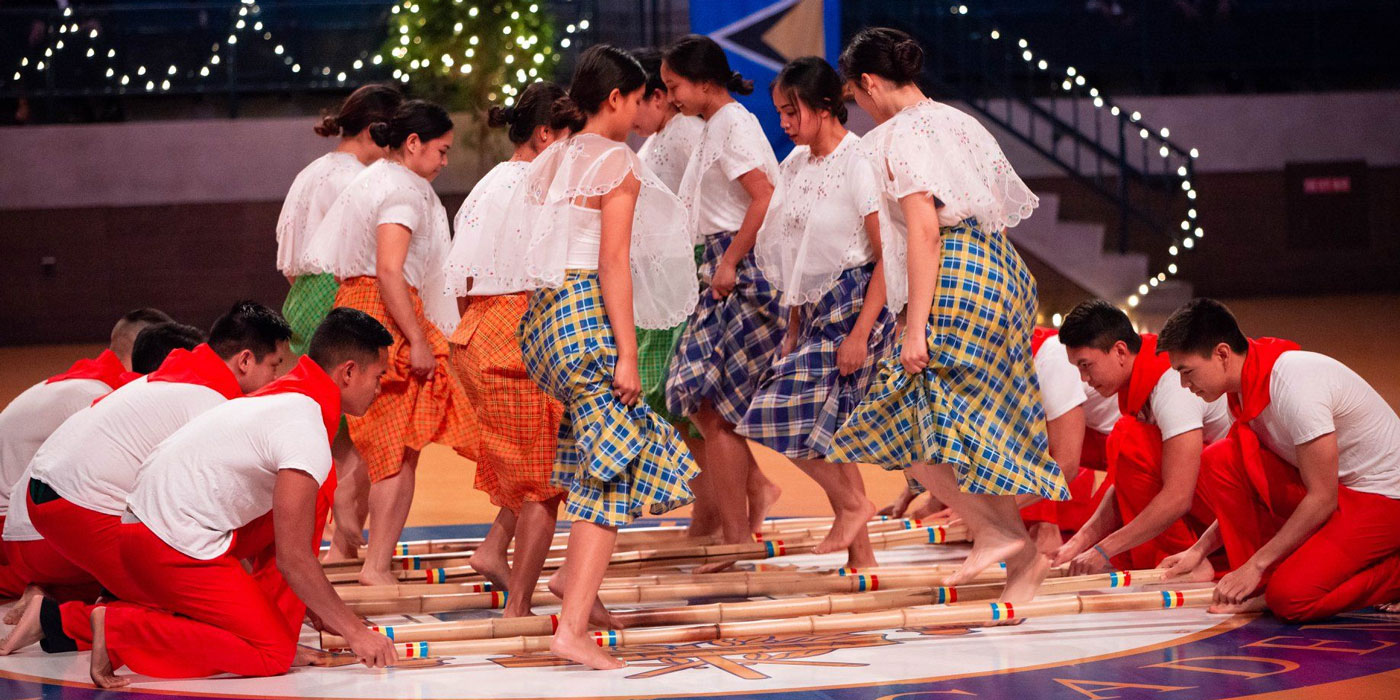
Midshipmen perform a traditional Philippine folk dance called Tinkling at the United States Naval Academy’s annual International Ball. Photo courtesy of United States Naval Academy.
Commander Ippo Maeyama, who teaches Japanese language, takes small groups of midshipmen to Japan, where they stay with host families, meet with other students at the reciprocal Naval Academy in Japan, and visit sites such as Hiroshima.
According to Disher, the relationship with Japan is important because around 50 midshipmen will be stationed on ships in Japan after graduation. Maeyama has been working with the Japanese Embassy and the Japan Maritime Self-Defense Force to create a mentoring program that assigns USNA graduates to an officer in the Japanese Navy, deepening professional connections and intercultural understanding.
Neri says that the international officers benefit as much from the exchange as the students. “I am teaching midshipmen, but it’s a two-way communication,” he says. “I learn so much from them.”
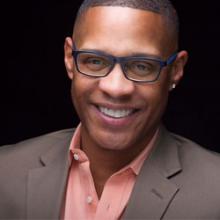
Lee Pelton, PhD, president of Emerson College. Photo courtesy of Emerson College.
From a Mandarin Chinese theater group in Boston to a fourteenth-century castle in the Netherlands, Emerson College’s creative and academic reach spans the globe. A robust portfolio of study abroad programs, global partnerships with arts institutions around the world, and a supportive environment for its growing international student population help the college bolster its goal of becoming a top institution of higher education for arts and communication.
“Internationalization is really essential to being a leader in arts and communication,” says Michaele Whelan, PhD, provost and vice president for academic affairs. “And it’s very pivotal for us to establish global networks of artists and professionals so that we can enhance our students’ capacity to learn and thrive in the world.”
Founded as a school of oratory and dramatic arts in 1880, Emerson College now offers nearly 40 degree and professional training programs in fields such as acting, business of creative enterprises, film, journalism, public relations, and stage production. Approximately 4,000 undergraduate and 600 graduate students study at its main campus on Boston Common in the heart of the city’s Theater District.
The college hosts more than 500 international undergraduate and 115 international graduate students from 71 countries and offers global bachelor’s degrees with partner institutions in France and Switzerland. Students can spend a semester taking classes and participating in internships at the college’s second U.S. campus in Los Angeles or study abroad at Kasteel Well, a medieval castle in the Netherlands.
When President Lee Pelton, PhD, came to Emerson in 2011, he identified internationalization and global engagement as one of five strategic priorities, along with academic excellence, civic engagement, innovation, and financial strength. “It’s clear that engaging with different cultures, heritages, backgrounds, and perspectives enlarges our intellectual horizons and connects us with life’s most enduring themes,” Pelton says.
Leading Internationalization at the Institutional Level
Pelton’s goal was for Emerson College to become a truly global institution. “In order to bring a big idea to life, you need three things: resources, strategy, and leadership,” he says.
Anthony Pinder, PhD, associate vice president of internationalization and global engagement, became the inaugural senior international officer of Emerson College in 2014. Photo courtesy of Emerson College.
In 2014, Anthony Pinder, PhD, was brought on as the associate vice president of internationalization and global engagement. “I arrived as the inaugural senior international officer [SIO] at Emerson,” Pinder says. “A lot of what was happening before I came was really random acts of internationalization.”
Pinder says that Pelton gave him free rein to develop his own vision for internationalization. Pinder has previously served as SIO at four other institutions and says, “Never have I been so empowered.”
One of the first things that Pinder did was conduct a needs assessment and convene various working groups and committees to produce reports that fed into a new strategic plan for internationalization. That led to the creation of a central unit that oversees education abroad, the Netherlands and Los Angeles campuses, and international student affairs.
“We began centralizing all of the international entities, departments, and initiatives under this new Office of Internationalization and Global Engagement [IGE],” Pinder says.
IGE has also appointed a chief diversity officer whose role it is to reach out to diverse and underrepresented students and seek to address any barriers they may face when considering education abroad.
David Griffin, MA, director of education abroad and domestic programs, has been a staff member at Emerson for 34 years. “The transformation has been somewhat breathtaking,” he says.
Previous administrations had been supportive of the Kasteel Well program in the Netherlands but had not been driving comprehensive internationalization. “Without institutional support from the top, [it is] very difficult to make dramatic change,” Griffin says. “President Pelton put it front and center, and everything has really flowed from that.”
Making Internationalization Relevant to the Arts
Whelan says that students who enroll at Emerson typically already know what they want to study, making targeted internationalization efforts particularly important. “For students who are very focused professionally, internationalization has to be relevant to them,” she says. “We are not a typical liberal arts institution in which students come and discover what their major is.”
Students choose Emerson because of the specialized professional curriculum and faculty the college offers. Therefore, it is often necessary to make a case for why internationalization matters in their careers as artists or communicators.
For instance, Emerson faced challenges in getting students in some disciplines, such as the visual arts, to participate in education abroad. To increase awareness of international opportunities, campus leaders invited student winners of Emerson’s film festival to submit entries to an international film festival hosted at Hong Kong Baptist University, which offers an exchange program in journalism and film. Students then traveled with faculty to take part in the festival in Hong Kong.
As a result of this experience, students began to realize the benefit of developing a network of artists from around the world. “All of a sudden, that’s relevant,” Whelan says.
Image
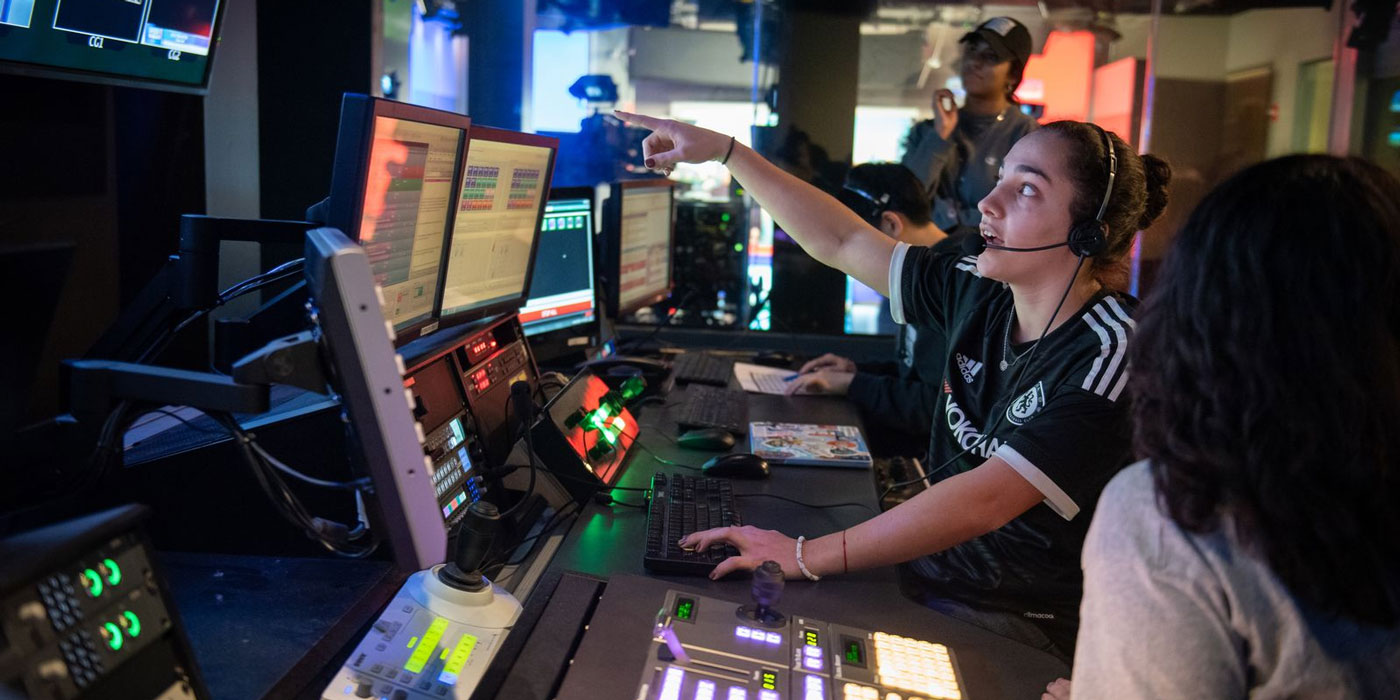
Students work in the Journalism Production Center. Photo courtesy of Emerson College.
Rethinking Partnerships and Portals
When Pinder was hired in 2014, he began to review the college’s portfolio of partnerships with the goal of ensuring that all students have the same access to global opportunities. “I spent my first year being very diplomatic and pulling Emerson out of several relationships,” he says. “And then we spent a lot of time really thinking about what types of institutions added value to our academic operation.”
Pinder tries to find partners that have complementary but unique program offerings. “We’ve partnered with some of the leading institutions in the various disciplines related to arts and communications in the world,” Pinder says.
One example is a partnership with Blanquerna, a school within Universitat Ramon Llull in Barcelona, Spain, which has one of the top-ranked communications programs in the country. Emerson students can spend a semester in Barcelona studying international communication, international relations, journalism, advertising and public relations, cinema and television, and Spanish.
Emerson has also recently started developing relationships with other institutions abroad that allow it to expand its global footprint through joint-degree programs known as portals. “These are ways in which both Emerson students, but also international students, can receive an Emerson education whether they’re physically in Boston or not,” says Corey Blackmar, MA, associate director of internationalization initiatives.
Emerson has recently launched a portal program in collaboration with the Paris College of Art that culminates in a bachelor of fine arts in film arts. Students spend 2 academic years in France, 2 summers in Boston, and 1 summer at Kasteel Well in the Netherlands.
In another new portal program, students earn an international and political communications degree with Franklin University Switzerland in Lugano. Students can do a 2+2 program, in which they complete their first 2 years in Lugano and their second 2 years in the United States, or a 3+1 program, in which they spend their senior year at Emerson followed by a master’s degree.
In its strategic plan, IGE aims to have 60 percent of students participate in at least one education abroad experience during their time at Emerson.
Proposing International Curricula
Using money from the Presidential Fund for Curricular Innovation, Pinder oversees the Curriculum Internationalization Studio, which provides grants to faculty to infuse global content into an existing course or develop a new course with an international focus.
Faculty turn in grant proposals that are reviewed by a committee made up of three deans and the department chairs of the faculty submitting the proposal. Pinder says it has been an excellent way to involve academic leadership from across the institution in efforts to internationalize the curriculum. “Not only has the grant been a wonderful opportunity for the faculty, it’s also obviously been a wonderful opportunity for reaching these different academic departments,” he says.
The awardees receive a stipend and participate in a series of professional development workshops on topics such as aligning student learning outcomes. They also are awarded funding for travel or other external training that will enhance their curriculum design. Pelton has allocated a total of $40,000 to the Studio per year.
In total, more than 50 faculty have participated in the Studio, developing 27 new courses with significant international content. Faculty have revamped existing courses in Africana studies, global media, journalism, marketing communication, and other subjects. For example, two screenwriting courses (one production-based and one studies-based) were revised to be faculty-led programs in Patmos, Greece. Students workshop their scripts on site, infusing what they learn from being exposed to Greek culture. The students learn to alter scripts and ideas on the go and incorporate multiple perspectives in their work.
A welcome byproduct of the success of the Studio has been the rapidly growing portfolio of faculty-led education abroad programs—known as Global Pathways Programs—which has expanded from 1 in 2013 to 23 that would have run in 2019–20 if study abroad had not been suspended due to COVID-19. Faculty-led courses developed through the Studio include programs in Canada, Cuba, Ecuador, Ghana, Greece, Japan, the Netherlands, South Africa, and the United Kingdom.
Living And Learning at Kasteel Well
Image
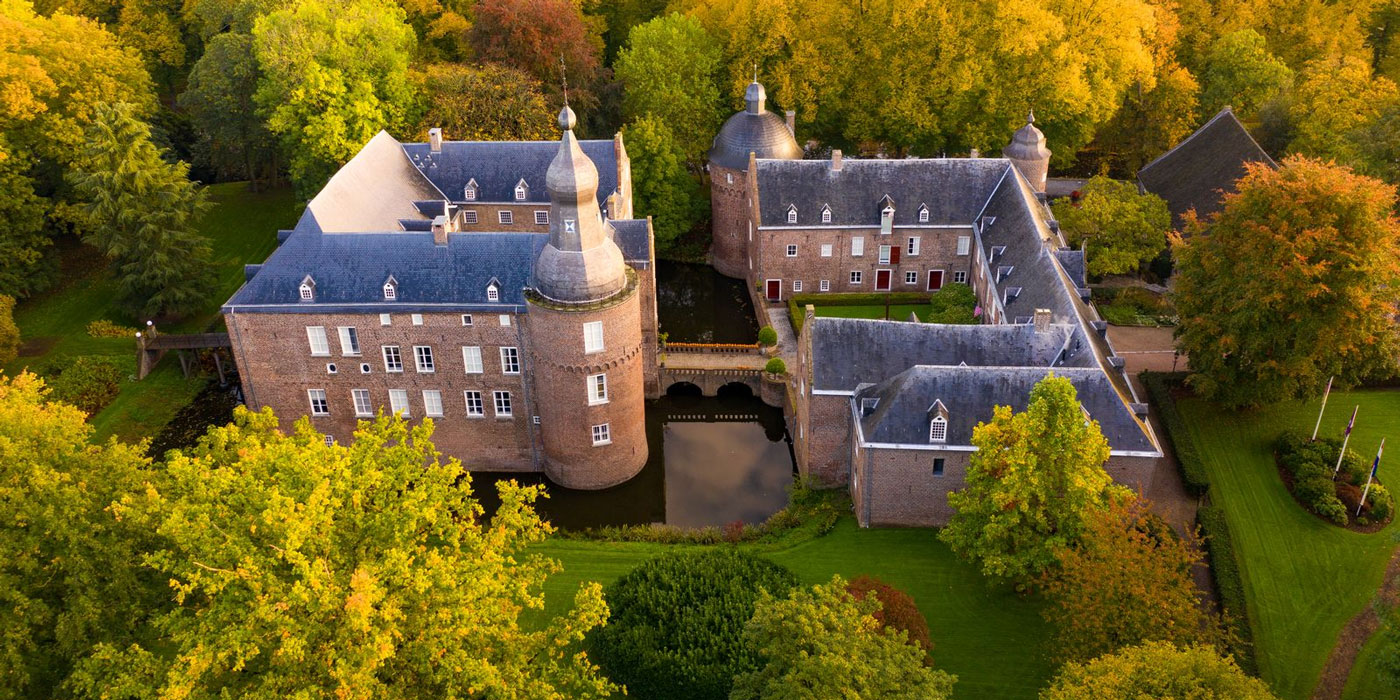
Kasteel Well, a restored fourteenth-century medieval castle, is home to about 85 students each semester. Located in the Netherlands, it serves as Emerson’s European campus. Photo courtesy of Emerson College.
Emerson’s flagship study abroad experience is the semester-long program that runs at Kasteel Well, a fourteenth-century castle in the Netherlands that the college purchased in 1988. “The opportunity to own this castle and be a part of refurbishing a national treasure became a dual civic engagement project and one of our signature education abroad programs,” Pinder says.
At the Kasteel Well campus, eight student affairs staff oversee student services, such as programming, housing, health and wellness, and counseling. They also take students on multiday field trips to Amsterdam and other European capitals. “We play the same role as a student affairs division on any campus in the United States,” says Tikesha Morgan, MA, senior student affairs officer.
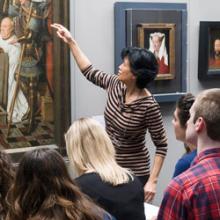
Kasteel Well Executive Director Dulcia Meijers, PhD, lectures students on art history during a visit to the Bruges Museum in Bruges, Belgium. Photo courtesy of Emerson College.
Emerson aims to have students from every major represented on the Kasteel Well program, which can accommodate up to 90 students per semester. The program is designed for second-year students and taught by local Dutch and other European faculty. During the summer, the castle also hosts several faculty-led programs.
Dulcia Meijers, PhD, executive director of Kasteel Well, is a Dutch architectural historian. She was able to petition the Dutch government to declare Kasteel Well a national historic landmark, thus providing some government funding to assist with its upkeep.
Madison Wilson, a film and TV production major, studied at Kasteel Well in spring 2019. “It was such a surreal experience because most of the castle is still preserved in its original architecture,” she says.
Studying African American Literature in the Netherlands
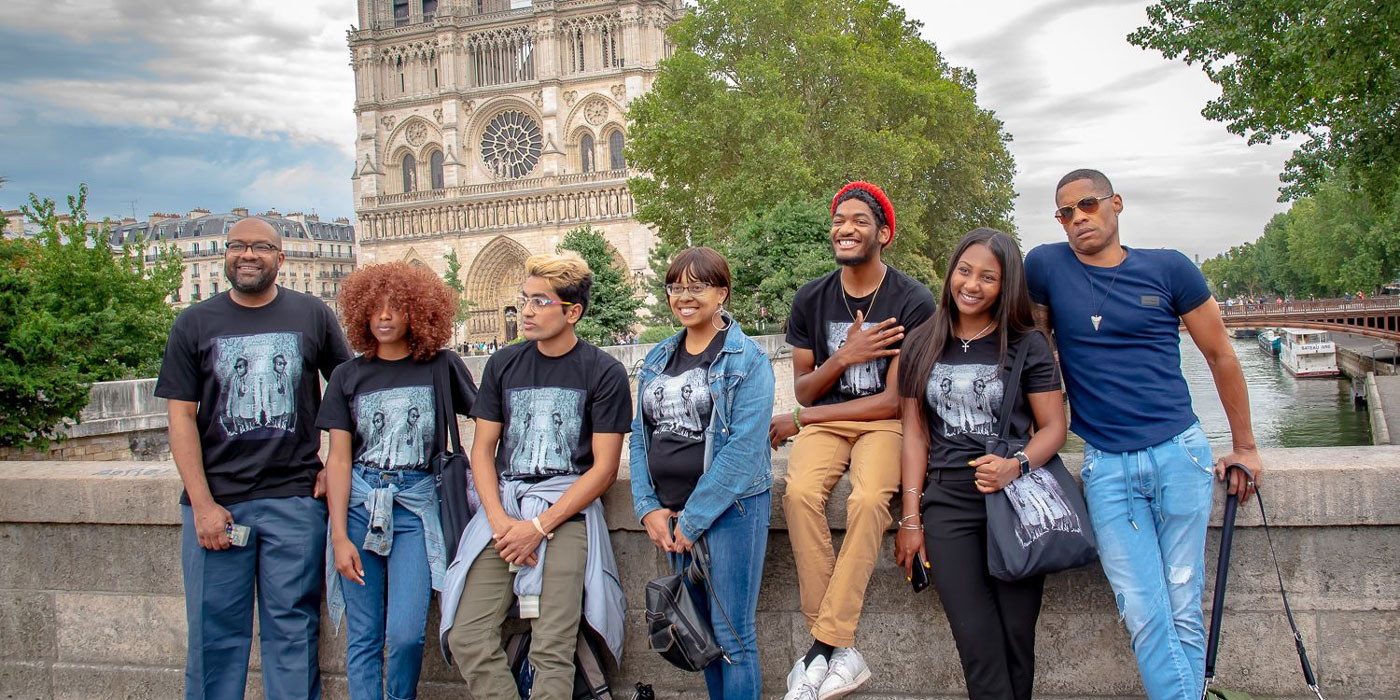
The James Baldwin Writers’ Colony is one of the many faculty-led Global Pathways Programs hosted every summer at Kasteel Well.
Associate professor and cultural critic Jabari Asim developed the curriculum for a course focused on the writing of James Baldwin, an African American novelist who settled in Europe in 1948, and other expatriate writers. He worked with Pinder through the Curriculum Internationalization Studio to design the course.
Image
Students and program leaders sport their James Baldwin shirts while on an excursion in Paris during the James Baldwin Writers’ Colony Program in summer 2018. Photo courtesy of Emerson College.
Asim says he was initially unsure how to lead a study abroad program focused on African American literature. “I hadn't expanded my imagination to see how my particular discipline would work in that context,” he says.
The program, which was first offered in 2018, consists of a combination of fiction and nonfiction writing workshops and lectures on the Black expatriate literary tradition. According to Asim, there is a long history of African American artists, musicians, and writers who traveled to Europe, predating the Civil War.
In addition to spending time in the Netherlands, the group travels to Paris and Amsterdam, where they visit sites and restaurants that were frequented by writers, such as Baldwin and Richard Wright.
Professor Jabari Asim delivers a lecture in advance of a visit to the Louvre in Paris during the summer 2018 James Baldwin Writers’ Colony Program. Photo courtesy of Emerson College.
“We get right into the craft of writing almost immediately, but because of the subject matter, it’s really necessary to immerse the students in the tradition,” Asim says. “Hopefully their idea of African American literature and culture is vastly expanded once they begin to see it as a global phenomenon.”
The program was created with the goal of attracting more students of color to education abroad. Half of the students on the program are recruited from five historically Black colleges and universities.
“[The program] was established as an intentional effort to underscore our college’s strategic priority of inclusive excellence,” Pinder says.
Jae Suk Lee, a journalism major from South Korea, was the only international student who joined the program in summer 2019. He was particularly captivated by Baldwin’s essay “A Stranger in the Village.” “He really described this idea of being exotic and being foreign,” Lee says. “That really helped me grasp how racism works in different countries, even to the point where it’s happening right now—even with the coronavirus and the Asian American community. That’s definitely helped me understand the depth of it and how racism is still there.”
He says the program has helped him understand the Black Lives Matter protests in the United States, following the murder of George Floyd by police officers in Minneapolis. “We learned how Black artists [and other artists of color] have fought for justice and have continued to do so,” he says. “I have felt from the bottom of my heart how empowering words can be and how literature and arts bring a call to action.”
Filmmaking in Prague
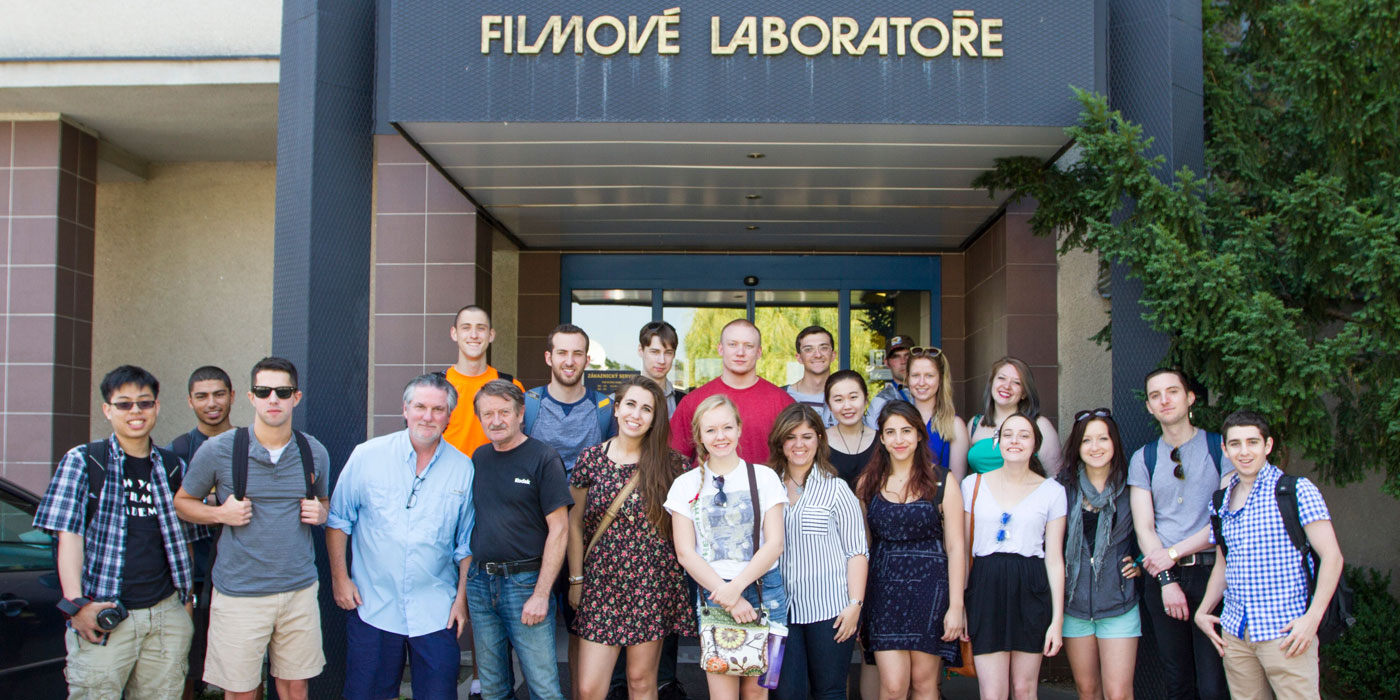
James Lane, PhD, senior scholar-in-residence and graduate program director of the low-residency master of fine arts in writing for film and television, developed Emerson’s first faculty-led summer program. He has taken film students to Prague, Czech Republic, to spend 4 weeks at the Film and TV School of the Academy of Performing Arts (FAMU) every summer since 1996. Summer 2020 was the first time the program has not run since inception.
In addition to a class on the history of Czech and Slovak cinema taught by a local professor, Emerson students take Lane’s film production course. Two Emerson students work together to produce a five- to seven-minute movie set somewhere in Prague. They are partnered with a Czech student studying production at FAMU and cast local actors.
Image
Students visit Filmové Laboratoře, a video production studio in Prague, Czech Republic, with faculty member James Lane, PhD, in 2016. Photo courtesy of Emerson College.
“The city itself to some extent becomes the classroom,” Lane says. “We force [students] to find locations all over the city to shoot their films. When they get there, they’re going to be totally disoriented. And by the time they leave...the students really do get to know the city very well.”
During the program, Lane takes students to local theaters and Barrandov Studios, one of the largest film studios in Europe, where they are able to explore the costume and prop departments. They then spend a few days at the Karlovy Vary International Film Festival, held annually approximately 80 miles from Prague. Finally, students visit historical sites, such as Terezin, a Jewish ghetto and concentration camp established by the Nazis during World War II.
Alexis Brankovic is an aspiring film director and writer who graduated from Emerson in May 2020 with a bachelor of fine arts in visual and media arts. She studied in Prague in summer 2018. Together with her roommate, she produced a short film about a young painter who wanted to get out of his hometown to see the world.
“The Prague program was a perfect whirlwind of studying and exploring the city,” Brankovic says. “As a filmmaker, I realized the film industry is so much bigger than Hollywood.”
Supporting International Students
From 2010 to 2019, Emerson has more than tripled its international undergraduate population. The number has grown even more rapidly in recent years, with a 47 percent increase since 2017. Last year, international students made up 13 percent of incoming students.
Andrea Popa, MA, joined the IGE staff as director of the Office of International Student Affairs in December 2018. She came to Emerson shortly after the college had seen a huge upswing in international student enrollment. Popa’s team works closely with other units, such as the writing center, housing, student affairs, and the career center. Part of her job is to build a sense of community for the burgeoning international student population through academic support, campus integration, and career preparedness.
Image
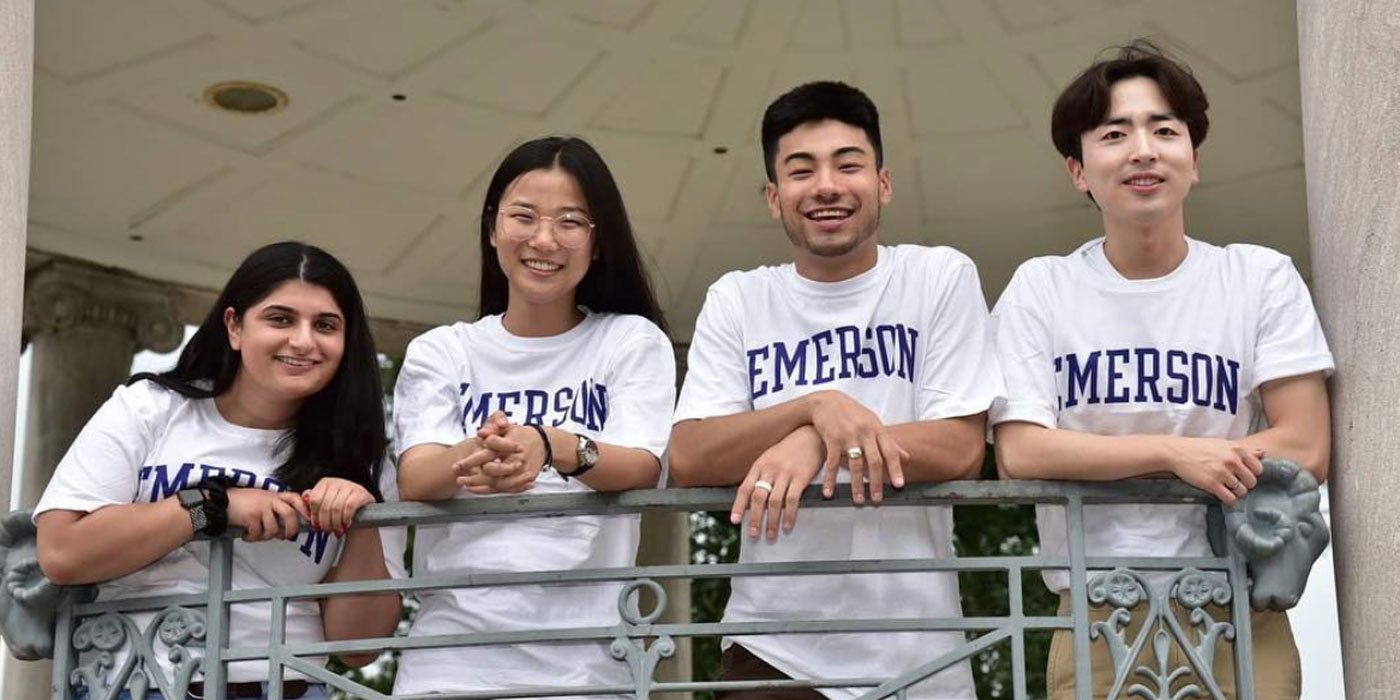
Emerson launched its Global Ambassador program for new international students in 2019. Ambassadors live and engage with international students throughout the year, welcoming them to campus. Photo courtesy of Emerson College.
“As somebody coming in new with the sort of surge of new international students we had, I really saw the college step up its game in a way that was significant,” Popa says. “I saw folks in all these other offices really come up with a strategy to be able to serve the international student community.”
For example, Jeremy Heflin, MA, associate director of English language learning (ELL) initiatives, has developed an English language assessment that helps place students who need extra support into ELL classes.
The support that Emerson provides its more than 600 international students continued as colleges around the country shut down their physical campuses due to COVID-19. Popa says that her office switched to remote advising when Emerson classes moved online in mid-March. The college kept dorms open for international students who were unable to travel and repurposed some funding to help with unexpected costs, such as plane tickets home or laptops for remote schoolwork.
Lee, the journalism major from South Korea, says that he has seen major changes in the composition of the student body since he first enrolled at Emerson in 2015. “I remember the feeling of being foreign and exotic when I first came here,” he says. “But now I see so many people that are international, and we’re moving forward with having more diversity in this institution.”
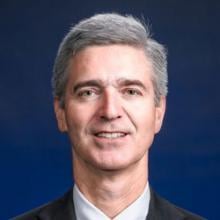
P. Barry Butler, PhD, president of Embry-Riddle Aeronautical University. Photo courtesy of Embry-Riddle Aeronautical University.
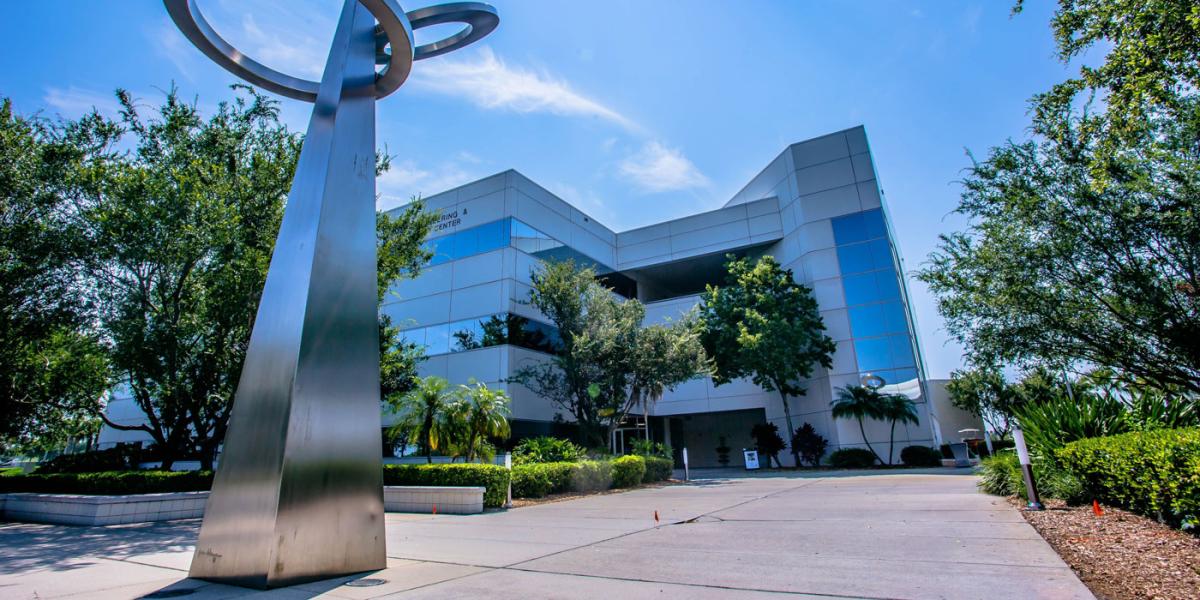
As the world’s oldest university specializing in aerospace and aviation, Embry-Riddle Aeronautical University (ERAU) traces its roots back to a pilot-training school founded in 1926. Today, the institution has residential campuses in Daytona Beach, Florida, and Prescott, Arizona, and an overseas campus headquartered in Singapore. A robust international student population, industry and academic partnerships around the world, and a strategic commitment to global engagement help Embry-Riddle achieve its mission to be a world leader in aviation and aerospace higher education.
When Kaloki Nabutola, PhD, was attending high school in his native Kenya, he would tell people that he wanted to study aeronautical engineering. A family member asked if he was planning to attend Embry-Riddle. He had never heard of the institution, but his interest was piqued when a friend asked the same thing. “I looked it up and found it had the number one aerospace engineering program,” Nabutola says.
Twelve years later, Nabutola has earned bachelor’s, master’s, and doctoral degrees from Embry-Riddle. In April 2020, he defended his dissertation in mechanical engineering—via Zoom due to COVID-19—with a focus on ground vehicle aerodynamics. “I’ve spent my entire adult life at Embry-Riddle,” he says.
Not only has Nabutola been a student at Embry-Riddle, he has also been at the front of the classroom as a graduate student instructor. He has been able to use examples from his own international experience when working with his students. “Being an international student has definitely diversified the way I think about engineering problems because I have seen them used in so many different ways,” he says.
Nabutola is one of more than 1,000 international undergraduate and graduate students who currently study on Embry-Riddle’s main campus in Daytona Beach.
Deepening an Early History of Global Engagement
Embry-Riddle’s history of global engagement began during World War II, when British pilots learned to fly alongside their U.S. counterparts. During the same period, the school also trained cadets from Latin America in aircraft maintenance at its site in Florida and established an aviation technical school in São Paulo, Brazil, in partnership with the Brazilian Air Ministry.
Now, the institution prepares its graduates for global careers in fields such as aerospace, applied sciences, business, cybersecurity, engineering, security, and space. “We’re an institution that has its history, soul, and mission all driven by aviation- and aerospace-related activities—not just airplanes, but anything that goes with the movement of people around the world,” President P. Barry Butler, PhD, says.
When Butler became president in 2017, it was clear to him that global engagement should be one of the institution’s five strategic priorities. He appointed a global strategy team focused on promoting global competencies among students, staff, and faculty; expanding Embry-Riddle’s global reach to new locations; and diversifying the university’s international student population. “A lot of our programs are built around knowing that every one of our students is going to be working in a truly global environment, whether that’s the airline industry, manufacturing, government, or being an astronaut,” Butler says.
Aaron Clevenger, EdD, assistant provost and dean of international programs. Photo courtesy of Embry-Riddle Aeronautical University.
Butler joined Embry-Riddle at a time when the institution was already in the process of consolidating its international initiatives under the International Programs division, which was established in 2016. “Until about 4 years ago, everything was decentralized from an international program perspective,” says Assistant Provost and Dean of International Programs Aaron Clevenger, EdD, who became Embry-Riddle’s first senior international officer in 2017.
International Programs currently manages international student and scholar services, international enrollment, international student programming, the Embry-Riddle Language Institute (ERLI), study abroad, and global engagement. International Programs also helps coordinate across the university’s two campuses in the United States, its campus in Asia, and more than 100 teaching sites on military bases through its worldwide campus.
The division has just finished its own strategic plan that integrates the objectives of the five pillars of the university’s strategic plan. “That was the critical piece….And tailoring what we are doing to the mission and vision of the institution meant that we’re all moving toward the advancement of the institution,” says Caroline Day, associate director of international experience and communication.
Creating the International Student Experience
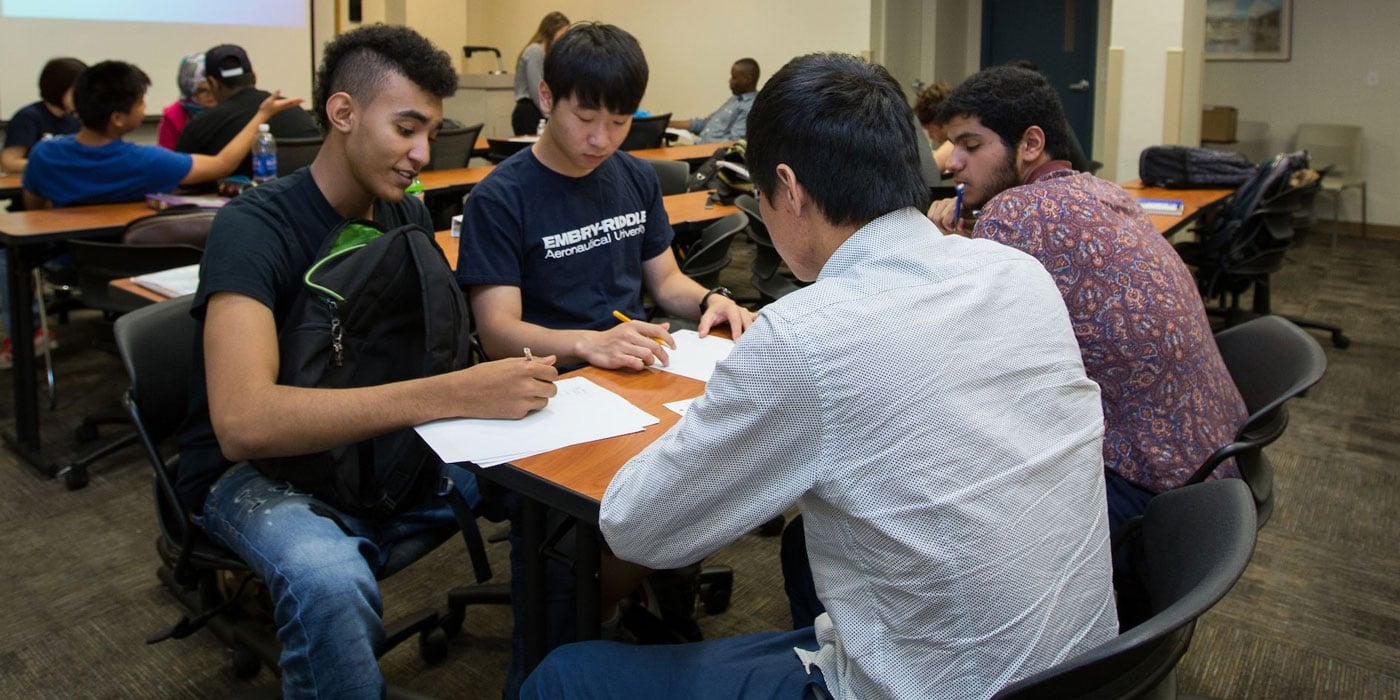
In the past 10 years, Embry-Riddle has experienced a 57 percent growth in international students, who make up almost 17 percent of its student population and represent 110 countries. There are currently more than 1,000 international students at its main campus in Daytona Beach, and more than 200 at the Prescott campus. Daytona Beach also hosts students who come for flight training from the Singapore campus, which was established in 2011.
As the number of international students has grown, the university has focused efforts on helping members of this community integrate into campus life. Day coordinates international student orientation and cultural programming. She says her job is to make sure that international students are “safe, happy, and healthy and have what they need to be successful.”
In March 2020, Embry-Riddle moved all of its classes online in response to COVID-19. While some international students decided to return to their home country, many chose to remain on campus. The university kept a residence hall open for students who elected to stay, and International Programs staff reached out to all students who remained in the United States to make sure they were safe and had access to the services and support they needed. The office remained open and available to students, both virtually and with a physical presence throughout the pandemic; hosted monthly live info sessions about topics ranging from immigration to housing, COVID-19 safety precautions, and enrollment advisement; and designed a virtual engagement program.
Image
Students working in the Embry-Riddle Language Institute. Photo courtesy of Embry-Riddle Aeronautical University.
Championing Aviation English
ERLI offers an intensive English language program for students who eventually want to matriculate at the university. The program has four levels, each with a special topics course that introduces students to relevant vocabulary and concepts for careers in aviation and aerospace.
The institution has also developed an innovative test, the English for Flight Training Assessment, as a requirement for all students studying aeronautical science. The assessment measures the aviation vocabulary and usage of students who want to become commercial pilots, ensuring that they meet the standards required by the Federal Aviation Administration to communicate with air traffic controllers and other aircrafts.
To support those who need extra assistance with their English, ERLI runs an aviation English language course in collaboration with the College of Aviation to help prepare international students who are going to become pilots. “As you can imagine, being able to communicate in the air is a little bit different from academic English and being able to talk about your paper with your professor,” says Hannaliisa Savolainen, MA, ERLI’s director.
Assessing and Expanding Global Learning Outcomes
Seniors from Embry-Riddle’s Asia campus in Singapore take flight training for a year at the Daytona Beach campus as part of a new program designed to provide global experiences across the Embry-Riddle system. Photo courtesy of Embry-Riddle Aeronautical University.
In addition to exposing all of its students to new cultures through a diverse international student population, Embry-Riddle has worked closely with its Center for Teaching and Learning Excellence (CTLE) to internationalize its curriculum. One initiative is the development of seven student learning outcomes focused on global competencies that will be used to assess academic international education offerings, including education abroad, research abroad, and international internships. The learning outcomes were launched as part of an International Programs assessment for the 2020–21 academic year.
The learning outcomes have initially been integrated into education abroad offerings, but they can be applied to any course. “They have also been incorporated into the campus annual assessment process, meaning that they can be adopted by any department or course that would like to assess their impact on internationalizing the campus or providing global competency skills to students,” Clevenger says.
The next focus is to assess courses that are approved as part of a new global competence certificate that Embry-Riddle will launch in 2021. The curriculum is currently being mapped to the global competencies to determine the courses that will be included in the certificate, which is undergoing review by the faculty senate.
International Programs has also worked with the CTLE as it developed an inclusive teaching certification that introduces faculty to tools for successfully working with international students and helps prepare all students for global careers. More than 137 faculty have participated since the certification launched in 2019. Participants take part in workshops on topics such as universal design, how to manage difficult dialogues in the classroom, and how to teach in globally diverse classrooms. The certificate, which is recognized in the promotion and tenure process, is advertised by both International Programs and the CTLE.
Lon Moeller, JD, senior vice president for academic affairs and provost, says that one of the driving factors behind Embry-Riddle’s commitment to comprehensive internationalization and global learning outcomes is its deep engagement with employers and industry around the world. “We’re a really niche school in terms of aviation and aerospace, and these are industries that require internationalization,” he says. “We hear from our employers that they want Embry-Riddle students for their technical expertise, but they also really need to have that kind of broad worldview to be successful in the workplace.”
Embry-Riddle’s long history in aviation studies has positioned it to become a leader in aerospace, with degree programs in areas such as aerospace engineering, aerospace safety, space physics, and spaceflight operations. Space, the next international frontier, requires immense transnational understanding and willingness to work together, says Karen Gaines, PhD, dean of the College of Arts and Sciences. Embry-Riddle faculty and students across the university have even partnered with the International Space Station (ISS) and NASA to send payloads to the ISS.
Gaining Real-World Experience Through Study Abroad
Approximately 250 Embry-Riddle students study abroad each year, the majority through faculty-led programs. That number has drastically increased since 2011–12, when around 20 students per year participated in exchanges with international partners. Embry-Riddle was planning to offer 16 programs abroad during summer 2020 before they were canceled amid the COVID-19 pandemic.
Many of Embry-Riddle’s education abroad programs focus on the professional application of skills and knowledge. Since 2012, William Coyne, EdD, a professor of air traffic management, has led a summer study abroad program to Europe focused on aircraft management. The group visits several air traffic control and related organizations, such as the regional International Civil Aviation Organization headquarters in Paris, the European Organisation for the Safety of Air Navigation (EUROCONTROL) and the North Atlantic Treaty Organization (NATO) in Brussels, and the European Union Aviation Safety Agency in Cologne. “We want to introduce students to the aircraft management world and how globally harmonized we are with our partners [around the world],” Coyne says.
Another popular faculty-led option is the annual business program to the United Kingdom, led by professors John Ledgerwood, MSA, and Tamilla Curtis, DBA. Each summer, participants visit British Airways headquarters at Heathrow Airport, where they are able to meet with representatives of different departments. They also visit various airports around the country to learn about aviation and airport regulations.
Clevenger says that one of the distinguishing factors of Embry-Riddle’s faculty-led programs is the opportunity to complete real-world projects that tie back to students’ majors. Examples include a program in Kosovo where students photograph cultural heritage sites using unmanned aerial vehicles (UAVs), also known as drones, and a unique partnership that allows students to spend a week at Aegean Airlines headquarters in Greece. “The programs incorporate those aspects of study abroad that we know really drive home for students the importance of this global future that they are going to have,” he says.
Image
Space is the next international frontier, and Embry-Riddle’s international collaboration sets students up to lead in this increasingly global world. Photo courtesy of Embry-Riddle Aeronautical University.
Documenting Cultural Heritage in Kosovo
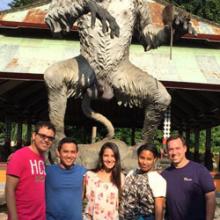
While visiting Bali, Indonesia, on a research abroad program, students from Embry-Riddle sponsored the Ogoh-Ogoh statue for the Ngrupuk Parade in Ubud. Photo courtesy of Embry-Riddle Aeronautical University.
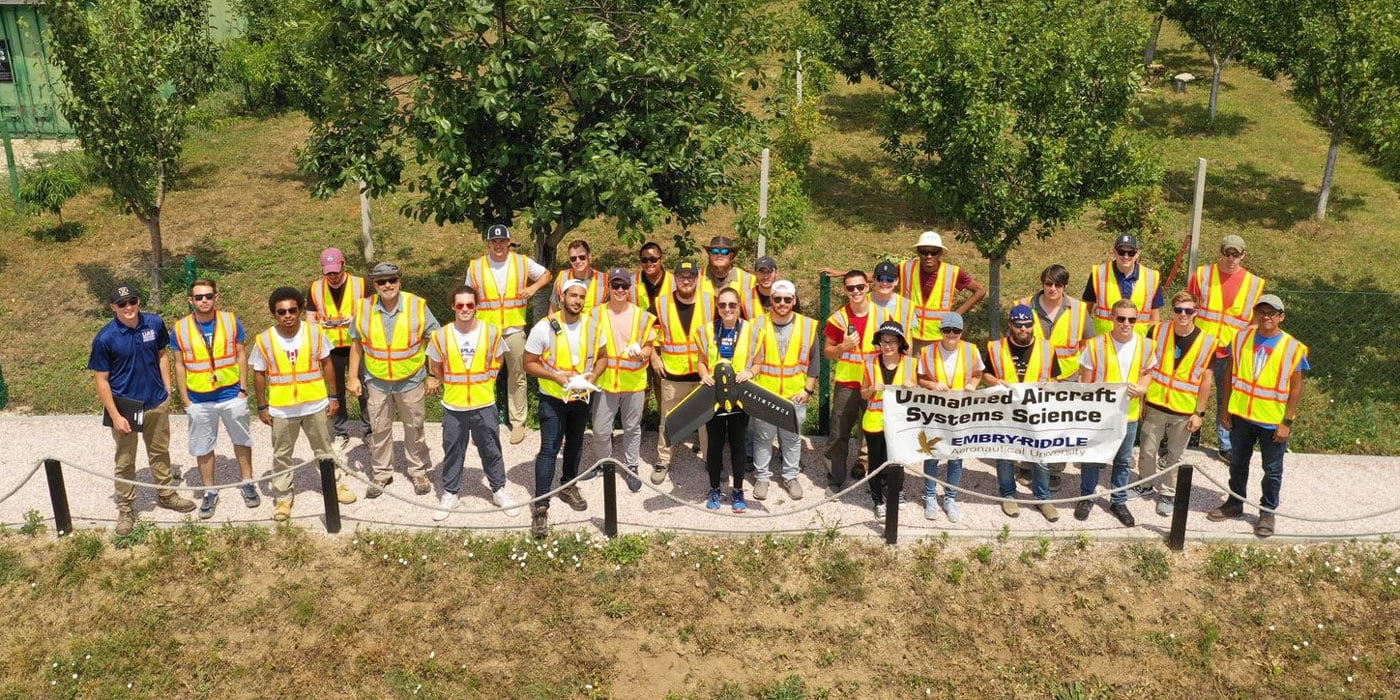
Embry-Riddle aeronautical science professors Kevin Adkins, PhD, and Dan Macchiarella, PhD, have taken students to the Balkans for a five-week summer program since 2016. Before this year’s program was canceled due to COVID-19, they had planned to take almost 30 students. At the start of this program, group members spend 1 week taking an upper-division social science class on Balkan history with a local professor while they tour Albania, Bosnia-Herzegovina, Croatia, Macedonia, Montenegro, and Serbia. Then, they spend 4 weeks in Kosovo, using the American University of Kosovo in Pristina as a base. They collaborate with Cultural Heritage Without Borders, a nongovernmental organization with a mission to help countries preserve important cultural heritage sites. Using UAVs, the group helps document cultural heritage sites in Kosovo, which was part of the former Yugoslavia.
After the breakup of the USSR, conflict between ethnic Albanians and Serbians led to a protracted war throughout the 1990s that resulted in NATO’s intervention in 1999. “The history of war since 1990 really affected the region. So we have a huge role in helping them reestablish themselves under a national identity,” says Macchiarella.
Unmanned aircraft systems are ideal to document sites because of the aerial perspective for the photography. Macchiarella says they are also particularly conducive to undergraduate research because they need a team to fly them. As students become more advanced, they can pilot the aircraft.
“It is work that is easy to scaffold,” Adkins says. “It doesn’t really take much training for a student to help clear an area or visually observe the airspace.”
The drones take thousands of pictures that can be processed and stitched together to make giant, highly detailed maps and 3D objects that can be manipulated. At the end of the program, the students give a project presentation that is attended by local officials, representatives from the Kosovo government, and U.S. embassy officials.
Ron White, who is majoring in unmanned aircraft system sciences, participated in the program in summer 2019. He says that being able to fly drone missions on weekends in several small towns was one of the highlights of the program. “This was an amazing opportunity to help local communities in the sense of documenting historic buildings, sites, and encroachment to these sites,” he says.
Image
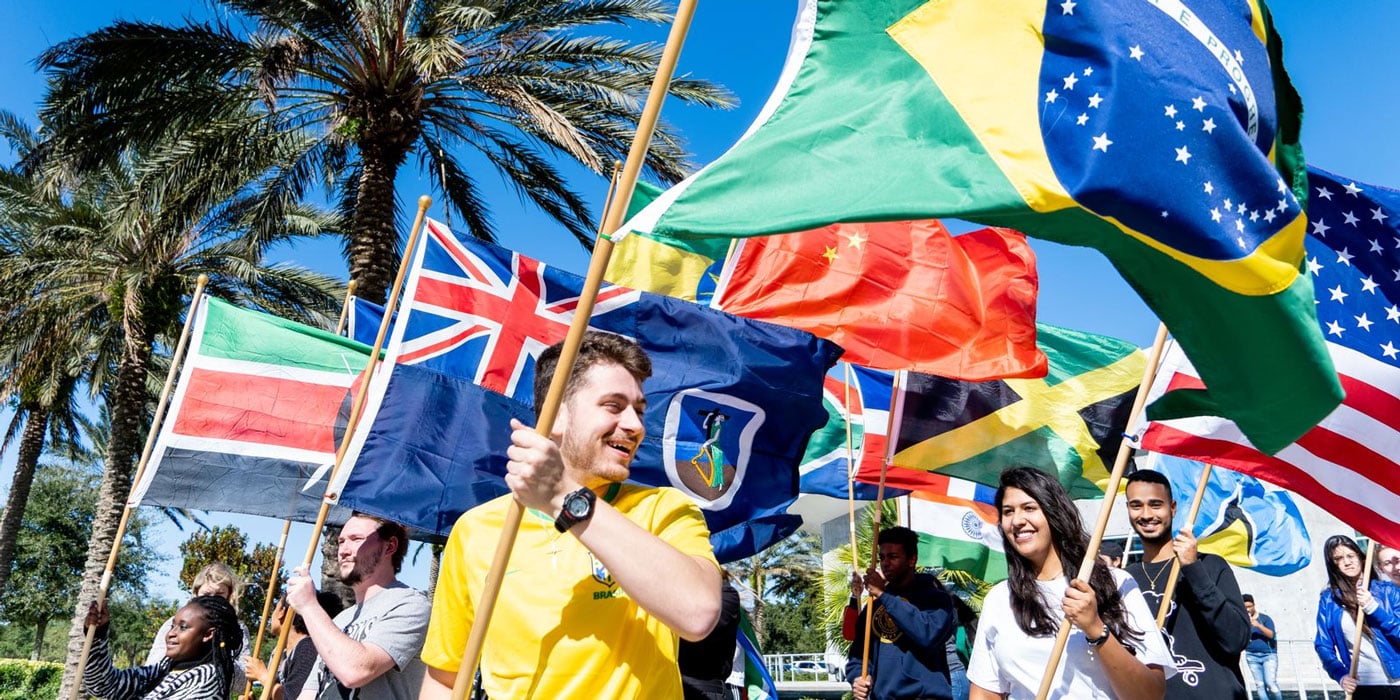
Embry-Riddle students celebrate the start of International Education Week and show their national pride with a flag parade. Photo courtesy of Embry-Riddle Aeronautical University.
Architect Sali Shoshi, Cultural Heritage Without Borders’s executive director, adds that collaborating with Embry-Riddle has allowed the organization to both speed up a process that used to be very time-consuming and expand its reach. Three-dimensional models of cultural heritage sites can even be uploaded to games and online applications so that children and adults can explore them on their phones.
Image
In Ulpiana, Kosovo, students work with Cultural Heritage Without Borders to map the site of an ancient Roman city. Photo courtesy of Embry-Riddle Aeronautical University.
Collaborating With Aegean Airlines
Since 2016, Charles Westbrooks, MEd, associate professor of aeronautical science, and Mitch Geraci, MS, associate professor of aviation maintenance science, have taken students to Greece for a four-week summer program in collaboration with Aegean Airlines. They are also joined by faculty members in humanities and business.
A local travel agency, Get Lost, connected Embry-Riddle with executives at the airline who were interested in partnering with a U.S. institution. Get Lost Founder and CEO Angeliki Vaxevanaki designed a customized study abroad itinerary in which students sail in the Cycladic archipelago for 2 weeks, travel around mainland Greece for 1 week, and settle for 1 week in Athens, where they visit Aegean Airlines.
“Students get the chance to visit Greece, get to know the country on a deeper level, and understand its core values,” Vaxevanaki says. “Consequently, when meeting with Aegean executives, they are not only participating in workshops and providing solutions to issues supplied by Aegean, but [they get to] understand the company, its love for Greece, and its people.”
During the week spent in Athens, students receive briefings from key Aegean Airlines employees in charge of various parts of the company. Tours also include visits to Athens International Airport and a chance to fly on the flight deck of an Aegean A-320.
The students also work on projects developed through collaboration between the Aegean Airlines practitioners and ERAU faculty, Westbrooks says. Students have helped with projects such as developing a marketing plan targeted at Gen Z and designing the layout of a maintenance workshop.
Image
Students participate in an education abroad program in Greece. Photo courtesy of Embry-Riddle Aeronautical University.
David Morgan, who graduated from Embry-Riddle in December 2019 with a degree in aeronautical science, says that the hands-on experience of working with one of the top European regional airlines was “a once-in-a-lifetime opportunity.” He is currently a flight instructor, teaching U.S. Navy personnel how to fly in a general aviation aircraft.
While he was in Athens, Morgan gave a presentation to Aegean employees about how to divert an aircraft to another airport if an issue arose with the flight. “Interacting with the CEO of Aegean Airlines, watching Aegean’s flight operation control center, and seeing maintenance personnel fixing aircrafts in real time tied together everything I learned about airlines at Embry-Riddle,” Morgan says.
Download the September 2020 Report By John K. Hudzik, PhD As the world struggles through global disruption—of lives, jobs, education, health, safety, economies—we witness again the powerful influence of globalization. Winston Churchill advised, “If you’re going through hell, keep going!” Considering
How can global and intercultural learning opportunities identify unconscious biases and address prejudices? This Collegial Conversation explored how developing global and intercultural competencies can help faculty, staff, administrators, and students discover their own unconscious biases, and how
Download the July 2020 Report Read the Spanish version By Nadia Mireles, EdD During the past 20 years, the world witnessed many important changes and transformations, from the globalization and information era, to the knowledge and digital era. By 2020, the world was in the midst of the fourth
How can we employ self-compassion, self-care, and resilience in the COVID-19 pandemic so that we can better care for others? As educators, we care for others often at the sacrifice of our own needs. This Collegial Conversation is designed to help our community of supporters articulate their needs
The Department of State defines short-term programs as programs that “last 12 months or less and include university exchange programs, professional non-degree programs, and internships.” The purpose of these programs is to “learn and enrich yourself in a diversity of cultural settings.” These