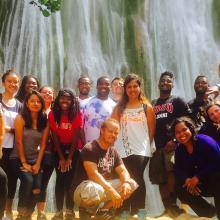
Improving predeparture health disclosures can help students with pre-existing conditions, learning disabilities, and mobility challenges plan for their health care needs and thrive off campus.
Students and faculty take performing global as study abroad programs focused on drama show audiences how to view history in a new light, learn about social justice issues more deeply, heal wounds from genocide in Rwanda, and heal from apartheid in South Africa.
From creating a healing environment at a pediatric burn treatment center in Chile to designing a coat that transforms into a shelter for Syrian refugees, art, design, and architecture students are tackling global problems around the world such as sustainable development, technological access, and
Institutions are presenting international programs in employability terms to attract a wider student audience as students increasingly focus on the career outcomes of international education.
Finances are not the sole factor keeping underrepresented student groups from participating in study abroad. To make programs more inclusive, institutions need to design international experiences that more closely align with underrepresented students’ identities and interests.
For international offices, diversifying revenue sources is crucial to financial sustainability as international student enrollment ebbs and flows. Smart solutions also ensure the long-term impact of internationalization.
Professional development doesn’t just help individual employees. Investment in growth and learning opportunities pays dividends for an institution’s international office, campus internationalization goals, and the field of international education.
A look at how international higher education leaders can successfully avoid pitfalls, tap new markets, and create new opportunities in uncertain times.