
Innovation and Internationalization: Global Models Redefining Campus Engagement
Campus internationalization has traditionally meant recruiting international students, establishing exchange programs, and sending students abroad. But institutions around the world—from francophone Africa to New Zealand and from India to South Korea—are pioneering fundamentally different approaches.
A Korean university builds global research networks through partnerships with major local industries. In New Zealand, Māori knowledge systems shape international mobility programs that challenge Western models. A pan-African higher education group delivers European degrees to students who never leave the continent, while an Indian university grounds its entire global strategy in a 2,000-year-old Sanskrit philosophy about world citizenship.
These models demonstrate that geography, culture, and local context aren’t constraints to overcome but strengths that shape distinctive models of global engagement.
These institutions aren’t simply doing internationalization differently—they’re rethinking what it means to prepare students for an interconnected world. Rather than treating global engagement as a checklist of activities separate from institutional mission, they’ve embedded internationalization within their founding philosophies, local contexts, and community commitments. These models demonstrate that geography, culture, and local context aren’t constraints to overcome but strengths that shape distinctive models of global engagement.
International Educator spoke with leaders at six institutions across four continents to understand their approach to innovation, what they’ve learned, and how their work might inform internationalization efforts worldwide.
Korea University: Building Global Networks Through Strategic Industry Connections
Across two campuses in Seoul and Sejong, Korea University enrolls approximately 50,000 students. Roughly 20 percent of the student body consists of international students: around 2,000 exchange students; 5,000 international degree-seeking students; and 12,000 learners in the Korean Language Center. Among degree-seeking students, about 50 percent come from China, while exchange students are far more globally distributed, with approximately 75 percent arriving from outside Asia.
Korea University’s approach to internationalization is distinguished by its holistic and highly coordinated strategy, says William Stewart, associate director of international cooperation. The university systematically connects academic departments with international counterparts to pursue student exchanges, dual-degree and joint-degree programs, international research collaborations, jointly organized conferences, and co-funded research initiatives.
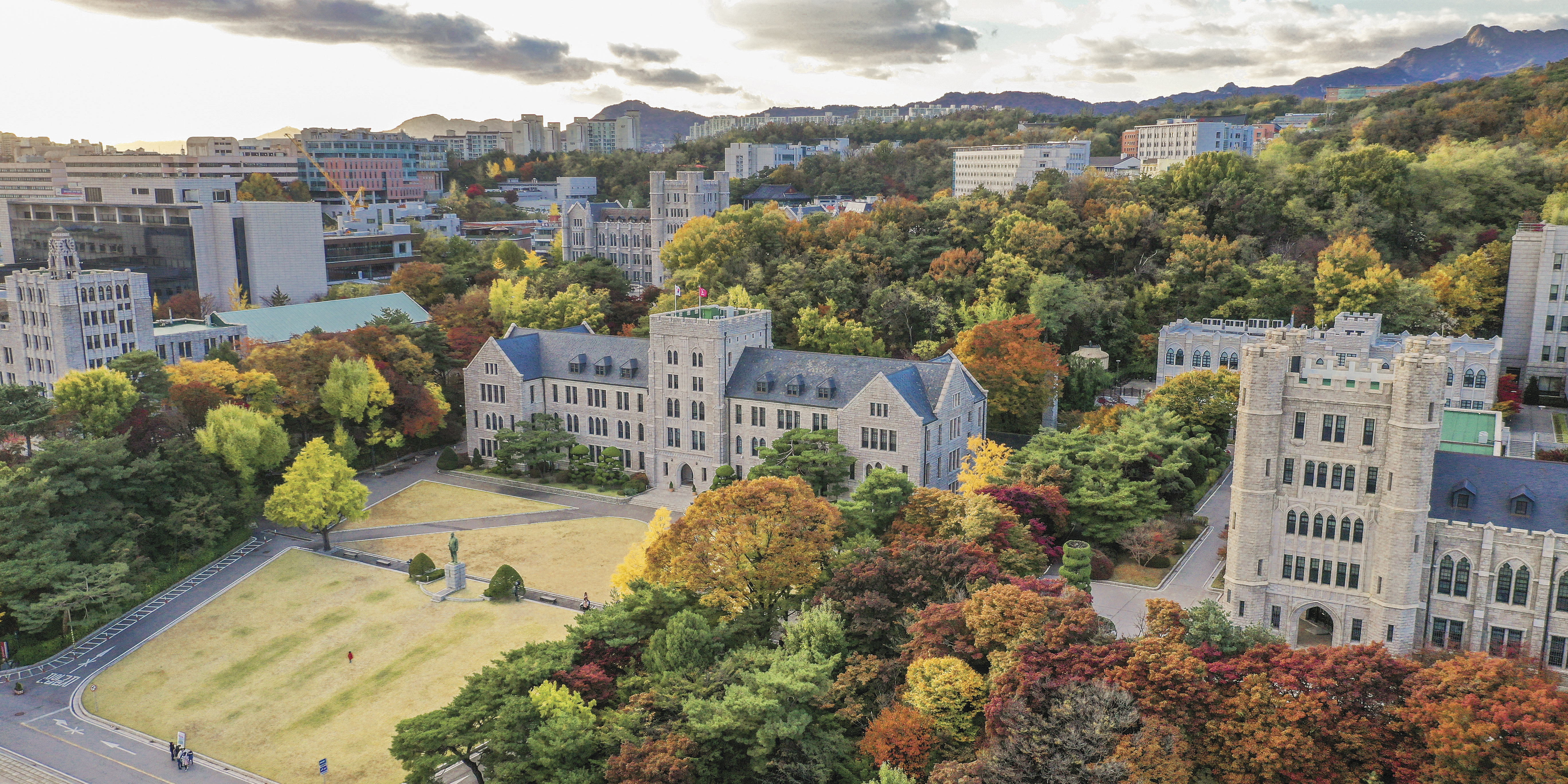
As a longstanding member of global university networks including Universitas 21, the Association of Pacific Rim Universities, and the Asia-Pacific Association for International Education, the institution views global engagement as part of its identity, starting with regional connections in the early twentieth century and expanding comprehensively from the mid-2000s onward.
Its location in Seoul provides unique advantages. Korea University maintains close ties with major Korean companies—Samsung, Hyundai, and LG—which support collaborative research, student internships, and funding opportunities. This allows students to work on cutting-edge industry challenges while transitioning into the workforce.
“Excellent institutions—both emerging and established—around the world offer outstanding potential for long-term collaboration and innovation.” —William Stewart
One particularly innovative initiative is the Climate Corps Program, developed by the Sustainability Institute, Stewart says. This global program brings together leading universities from every continent to build expertise in climate technology, policy, and innovation. In its inaugural class, 135 students representing 35 universities participated, forming global and local solutions to effect positive change.
The university has learned the importance of recognizing value generated by international faculty, students, and partnerships. “Another lesson is to avoid focusing exclusively on traditional or ‘prestigious’ partners,” Stewart shares. “Excellent institutions—both emerging and established—around the world offer outstanding potential for long-term collaboration and innovation.”
University of Waikato: Integrating Indigenous Knowledge with Global Citizenship
The University of Waikato (Waikato) is a public research university in Hamilton, New Zealand, with a second campus in Tauranga. Its motto, “Ko Te Tangata” (“For the People”), reflects a philosophy that the institution is in, of, and for the community, says Jaydene Meadows, associate director of global experiences. Waikato enrolls around 13,000 students from over 80 nationalities, with 26 percent Māori, and 9 percent Pacific. There are 2,300 international students—both degree seeking and study abroad students—led by India with the most students, and then China, Bangladesh, the United States, and Sri Lanka, respectively.
Waikato’s approach to internationalization positions global engagement as integrated with local cultural values—especially Māori worldviews—rather than as a separate strategic silo. The university’s International Plan 2025–2029 and Te Rautaki Māori (Māori Advancement Plan) are both anchored in the overall strategic framework, meaning internationalization does not operate in isolation from commitments such as Māori access, success, and Te Tiriti o Waitangi (The Treaty of Waitangi) obligations.
Waikato’s approach to internationalization positions global engagement as integrated with local cultural values—especially Māori worldviews—rather than as a separate strategic silo.
The international plan prioritizes increasing Māori student participation in international experiences, challenging Western traditional models of mobility by focusing instead on reciprocal relationships, centering Indigenous knowledge, and implementing learning that is place-based and embedded in culture. The university is developing non-traditional mobility options and strengthening funding and community support.
Te Ao Hurihuri, a two-week Indigenous-to-Indigenous program, exemplifies this approach, Meadows says. The program was a first of its kind, even in New Zealand, connecting Indigenous students from different countries in an immersive experience where they engage with Māori knowledge holders within the university and wider community. For many, it offers a safe and transformative space to explore their own indigeneity with peers from diverse Indigenous backgrounds. The program is reciprocal, acknowledging that relationships formed are not transactional.
“The work the international office does with the Office of the Deputy Vice-Chancellor Māori recognizes that Indigenous partnerships cannot be driven solely out of the international office,” Meadows shares. Understanding where respective expertise lies has resulted in the creation of programs like Te Ao Hurihuri.
EARTH University: Embedding Global Experience in Food Systems Transformation
A global university based in Costa Rica, EARTH University (EARTH) prepares young leaders to ethically and sustainably transform food systems. The student body consists of over 400 students annually from almost 40 countries, with most coming from Latin America, the Caribbean, and Africa. Eighty percent of students are from outside Costa Rica, and 90 percent receive full or partial scholarship support.
EARTH’s approach is highly experiential and student-centered, says President Arturo Condo. Students work on over a dozen academic farms, support local farmers through community development courses, as well as develop and run businesses. They spend over 70 percent of their time in the field rather than in classrooms. The university’s location in Costa Rica—a biodiversity hotspot with strong national commitments to sustainability—positions EARTH to leverage local ecosystems as living laboratories. The institution operates two campuses, one in a humid tropical region and the other in a dry tropical region, allowing students to study different production systems, climate conditions, and environmental challenges.
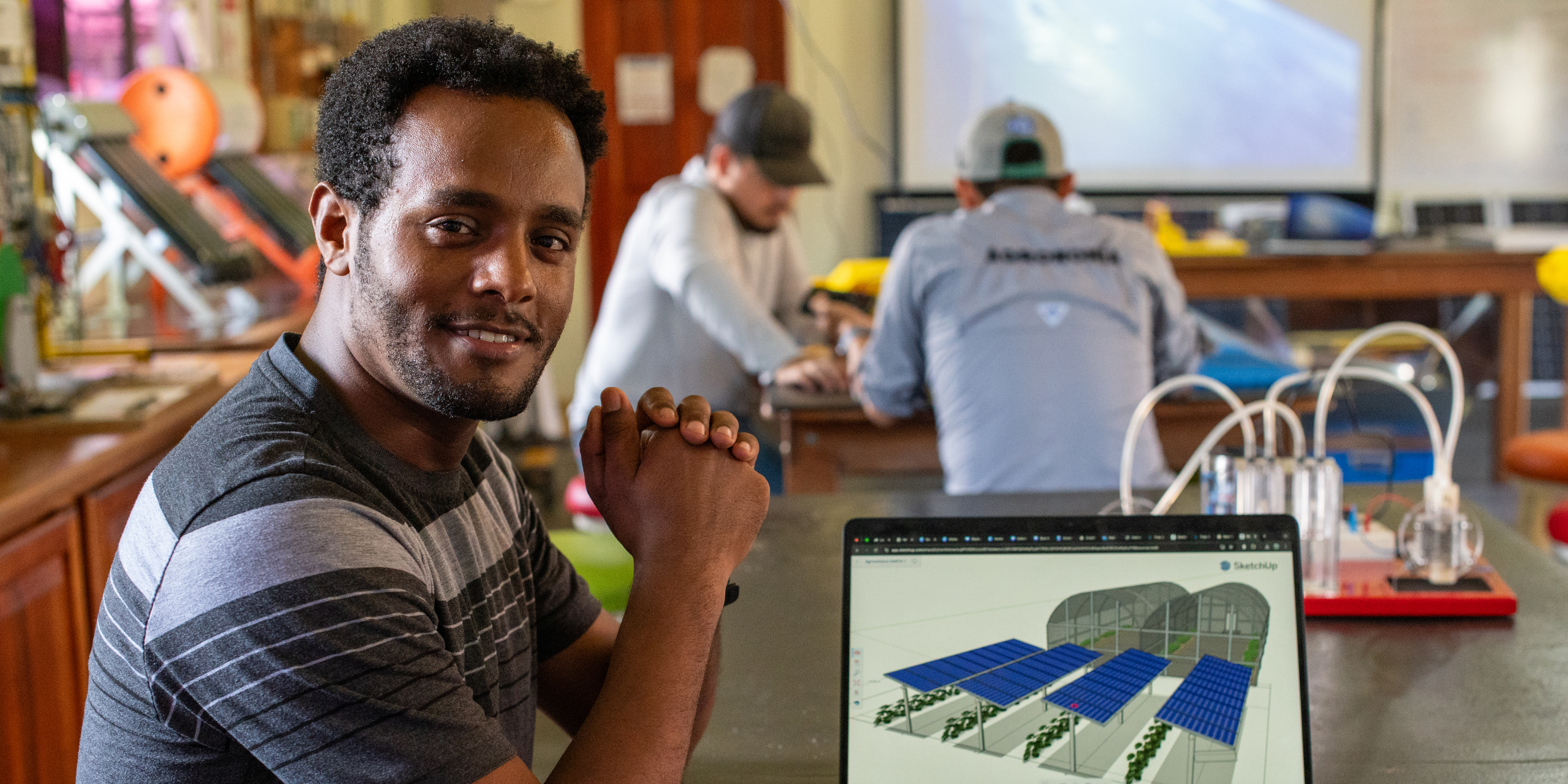
A distinctive element is the university’s mandatory 15-week international internship: each year, all students complete a full-time professional internship in more than 30 countries worldwide, working with farms, agribusinesses, NGOs, research institutions, and social enterprises. Students are evaluated not only on technical performance but also on ethical leadership, problem-solving, and reflection on how local food systems connect to global challenges.
“Rather than treating internationalization as an add-on, EARTH integrates global perspectives throughout its curriculum and student experience, bringing together diverse student cohorts, faculty, and community partners from across the world,” Condo says.
Over 80 percent of graduates return to their home countries to establish sustainable businesses, provide jobs, influence policy, or strengthen community food systems. Looking ahead, EARTH is developing a master’s program in food systems leadership with universities across the globe, aiming for a more global student population from regions not previously represented in the undergraduate program.
Symbiosis International University: Making “The World is One Family” Central to Institutional Mission
Symbiosis International (Deemed University) (Symbiosis) is one of India’s largest multidisciplinary universities, with campuses across six Indian cities—Pune, Bengaluru, Hyderabad, Noida, Nashik, and Nagpur—and an international campus in Dubai. The university hosts more than 3,000 international students, primarily from Africa and Asia, while students from the United States, United Kingdom, and Europe engage through short-term semester-abroad and twinning programs.
Founded in 1971 by S. B. Mujumdar, a professor of botany, Symbiosis was built around the idea that sustained interaction between Indian and international students could foster cross-cultural understanding and global harmony. That vision draws on the Sanskrit principle Vasudhaiva Kutumbakam—“the world is one family”—which continues to guide how the institution approaches internationalization today, says pro-chancellor Vidya Yeravdekar.
Rather than treating global engagement as a separate set of activities, Symbiosis embeds internationalization into daily campus life and the academic curriculum. One distinctive example is a mandatory one-credit course on the philosophy and application of Vasudhaiva Kutumbakam, required of all students. The course emphasizes ethical reflection, intercultural responsibility, and how global citizenship can be practiced in professional and civic life.
“The true measure of Symbiosis’s success ... [is] in its ability to transform young minds—to enable students to understand different cultures, embrace diversity, and emerge as responsible global citizens.” —Vidya Yeravdekar
Other campus-wide practices reinforce this philosophy. Each year, the university marks International Students’ Day on July 31—coinciding with the founder’s birthday—bringing Indian and international students together through academic programming, cultural performances, and community service activities. International food festivals and multicultural events further encourage routine interaction across cultures, while faculty with international training integrate global perspectives into coursework across disciplines.
Symbiosis’s international expansion reflects the same values. The university established a campus in Dubai in 2024, a city shaped by residents from more than 99 countries, positioning the institution as a gateway between India, Africa, the Middle East, and beyond. All academic programs at the Dubai campus are accredited by the United Arab Emirates’s Commission for Academic Accreditation and approved by the Ministry of Education, reinforcing Symbiosis’s commitment to quality and global recognition.
“The true measure of Symbiosis’s success lies not in the number of institutions it has established or the number of students it has educated,” Yeravdekar says, “but in its ability to transform young minds—to enable students to understand different cultures, embrace diversity, and emerge as responsible global citizens.”
Education City: Building a “Multiversity” Through Cross-Institutional Collaboration
Education City is the flagship initiative of Qatar Foundation, a nonprofit organization focused on transforming Qatar into a knowledge-based economy through education, science, research, and community development. Spanning 12 square kilometers, it brings together eight universities and 11 schools under one ecosystem, linking education, research, innovation, and community programs.
Education City hosts six U.S. international branch campuses—Georgetown University, Weill Cornell Medicine-Qatar, Texas A&M University, Carnegie Mellon University, Northwestern University, and Virginia Commonwealth University School of the Arts in Qatar—which operate fully accredited campuses through agreements with Qatar Foundation, offering the same degrees, courses, and academic standards as their home campuses. Education City is also home to Hamad Bin Khalifa University and a branch campus of HEC Paris. Together, these universities serve about 4,400 students from over 120 countries.
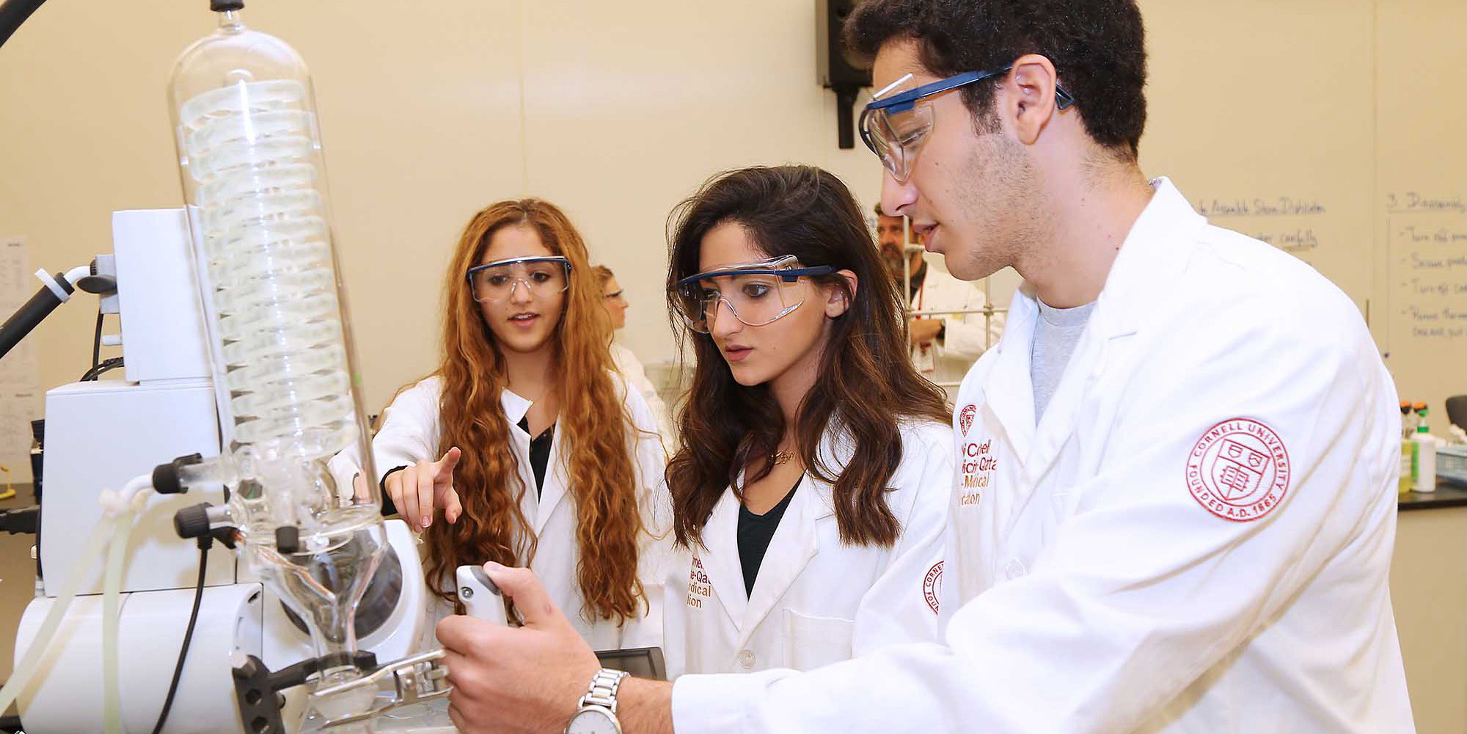
Education City's model is distinctive because of what Francisco Marmolejo, president of higher education at Qatar Foundation, calls the “multiversity”—a unique ecosystem enabling structural collaboration across universities, research centers, and innovation hubs. Students can cross-register to take courses at different universities. Unlike traditional internationalization, which focuses on student mobility or isolated satellite campuses, Education City preserves home-campus standards and management while Qatar Foundation covers operating costs, allowing partners to focus on academic excellence in fields aligned with national and regional needs.
Several jointly designed minors enable students to combine studies across institutions in areas such as energy policy, media and the arts, and Africana studies. Universities co-offer a multidisciplinary, problem-driven design course bringing together students from different campuses under mentorship of faculty teams from participating institutions. The Practical Knowledge Lab, opening in summer 2026, will serve as a dedicated space for interdisciplinary, experiential learning where student teams tackle real-world problems.
“Collaboration does not happen organically; it must be structurally enabled.” —Francisco Marmolejo
“Collaboration does not happen organically; it must be structurally enabled,” Marmolejo says. Clear frameworks for cross-registration and credit transfer, mechanisms for joint faculty appointments, seed funding for collaborative teaching and research, and a central convening platform aligning institutional activity with national priorities have all been critical to Education City’s success.
Applications for admission at Education City universities rose 12 percent in 2024, and partner universities continue renewing their contracts for additional 10-year terms, underscoring the model's quality, stability, and long-term value, Marmelejo shares.
BEM: Scaling Transnational Education Across Francophone Africa
BEM Africa (BEM) is a pan-African higher education group founded in 2008 by Pape Madické Diop, with campuses across five countries in West and Central Africa: Cameroon, Côte d’Ivoire, Guinea, the Republic of the Congo, and Senegal. The group operates through a diversified ecosystem including BEM Management School, BEM Tech, DUNIS, BEM School of Law, Dauphine Dakar, and BEM Executive Education.
BEM’s mission is to deliver internationally recognized education anchored in African realities while preparing students to operate confidently in global environments, says Fara Sakho, executive vice president. By 2030, the group aims to expand to ten countries, building a structured academic network promoting regional integration, talent mobility, and shared standards of excellence.
The transnational education model is distinctive as Africa-based, Africa-led, and globally connected, according to Sakho. Unlike institutions relying on centralized or export-based models, BEM operates through local campuses embedded in national ecosystems while delivering internationally benchmarked curricula through strategic partnerships. The approach emphasizes contextual relevance, French-English bilingualism, and professional alignment rather than replicating foreign models.
“Together, these partnerships illustrate BEM Africa’s philosophy: not importing education models, but co-building transnational institutions rooted in local contexts and aligned with international standards.” —Fara Sakho
The internationalization strategy prioritizes joint degrees, faculty mobility, student exchanges, and curriculum co-construction focused on francophone West and Central Africa. Operating across multiple countries enables scaling impact and regional academic integration while requiring robust governance, harmonized quality assurance, and cultural adaptability.
Multi-country joint-degree programs with leading European and North American institutions allow students to earn internationally recognized degrees while studying primarily in Africa, combining global standards with local affordability and relevance. A flagship example is the Dauphine Dakar campus, a joint venture between BEM and Université Paris Dauphine–Paris Sciences et Lettres. With HEC Montréal, a Canadian business school, collaboration extends beyond double degrees: students begin on BEM campuses before integrating the third year of their bachelor or graduate programs, creating a transnational academic pathway.
“Together, these partnerships illustrate BEM Africa’s philosophy: not importing education models, but co-building transnational institutions rooted in local contexts and aligned with international standards,” Sakho says.
Rethinking What Internationalization Can Achieve
From grounding global education within Indigenous knowledge systems to building transnational degree pathways across multiple countries, these approaches succeed because they align with each institution’s mission and context.
Their innovations challenge assumptions about what internationalization requires. Global engagement doesn’t require prestigious partnerships, Western mobility models, or separation from local communities. Instead, these institutions show that the most distinctive approaches often come from asking how internationalization can advance core institutional values.
Across their campuses, these six institutions offer a clear message: internationalization becomes most powerful when institutions design it to serve their unique purposes rather than adopting standardized models. For institutions seeking to deepen their global engagement, the question isn’t what international activities to add, but how global perspectives can strengthen what makes them distinctive. •
NAFSA Resources
- Internationalizing the Campus: Profiles of Success at Colleges and Universities
- Comprehensive Internationalization: From Concept to Action
- Global Goals, Global Education: Advancing the United Nations Sustainable Development Goals
- Senator Paul Simon Award for Campus Internationalization
- John and Anne Hudzik Prize for Sustained Leadership in Higher Education Internationalization




About International Educator
International Educator is NAFSA’s flagship publication and has been published continually since 1990. As a record of the association and the field of international education, IE includes articles on a variety of topics, trends, and issues facing NAFSA members and their work.
From in-depth features to interviews with thought leaders and columns tailored to NAFSA’s knowledge communities, IE provides must-read context and analysis to those working around the globe to advance international education and exchange.
About NAFSA
NAFSA: Association of International Educators is the world's largest nonprofit association dedicated to international education and exchange. NAFSA serves the needs of more than 10,000 members and international educators worldwide at more than 3,500 institutions, in over 150 countries.
NAFSA membership provides you with unmatched access to best-in-class programs, critical updates, and resources to professionalize your practice. Members gain unrivaled opportunities to partner with experienced international education leaders.